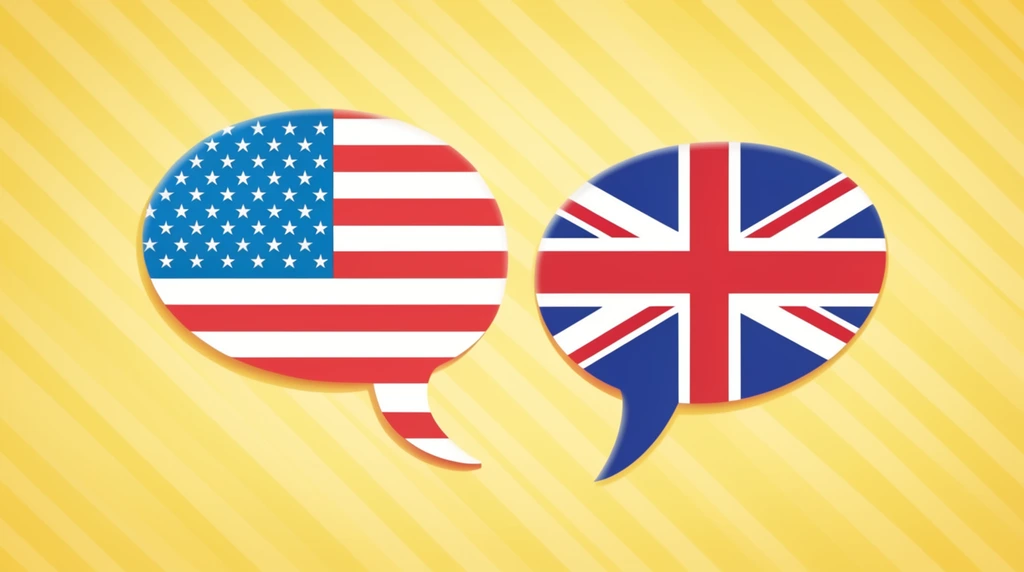
Eon has caught a fun bit of curiosity: why does English sound different in different places? In these two short clips he plays teacher and tries on both American English and British English to find out.
Eon plays English teacher
In the first clip, Eon announces his lesson plan out loud: "I will teach you guys how to speak American English and British." He starts with American English — "Perfect. That's an easy one." — and then moves on to "the easy peasy British one." It's a tiny moment, but it captures a real idea: English isn't just one way of talking. The same language can come in different flavors, and Eon is curious enough to want to try both.
The second clip is titled simply "American English Versus British English," and it keeps that same idea going. Putting the two side by side — versus — is exactly how you start to notice the little differences.
Same language, different words
Here's the cool part. American English and British English are both English — people who speak one can almost always understand the other. But over many years, living on different sides of the ocean, the two groups ended up with some different everyday words:
- The thing that carries you up a tall building is an elevator in America and a lift in Britain.
- The sport you play with your feet is soccer in America and football in Britain.
- A sweet snack is a cookie in America and often a biscuit in Britain.
None of these is "right" or "wrong." They're just two correct names for the same thing — which is part of what makes English so fun to explore.
Same words, different spelling
A few words are even spelled a little differently:
- color (American) and colour (British)
- center (American) and centre (British)
The words mean exactly the same thing. The extra letters are just a clue about where the writing comes from.
And different accents
There's one more difference Eon is clearly tuned into: accents. An accent is the way the same words sound coming out of someone's mouth. A word like "water" or "tomato" can sound quite different in London than it does in New York — even though it's spelled the same and means the same thing. Listening for accents is like having ears for geography.
Try it
Pick three things in your room — say a trash can, your pants, and a flashlight. In British English those are often a bin, trousers, and a torch! Try saying each pair out loud. Then ask a grown-up to help you find a short video of someone speaking with a British accent and an American accent, and listen for one word that sounds different. You'll start to hear what Eon heard: one language, lots of wonderful ways to say it.