Lessons
Every lesson comes from something Eon actually played, built, or drew.
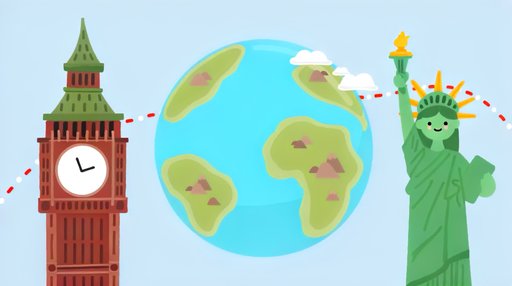
World Quest: Flying to Big Ben and Climbing the Statue of Liberty
Eon kicks off his Explorer series using Google Earth, Street View, and a National Park virtual tour to find Big Ben in London and climb all the way up inside the Statue of Liberty in New York.
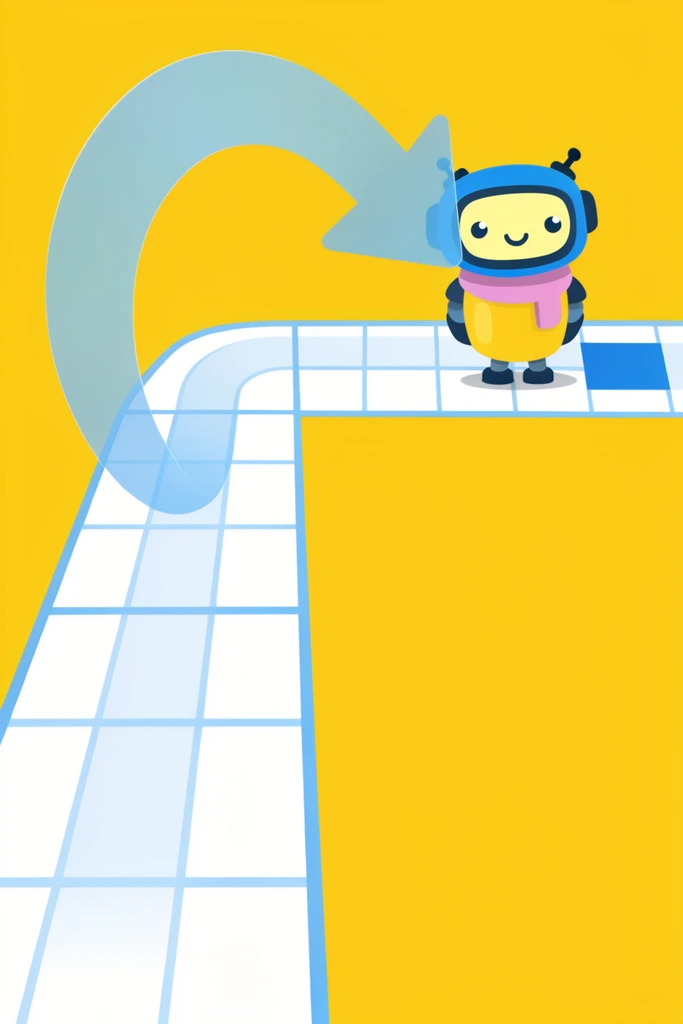
The Repeat Machine: How One Loop Block Does the Work of Many
On Code.org's challenge puzzle, Eon stops stacking 'east, east, east' and wraps it in a repeat block — then hunts down an off-by-one bug when the pig starts crying.
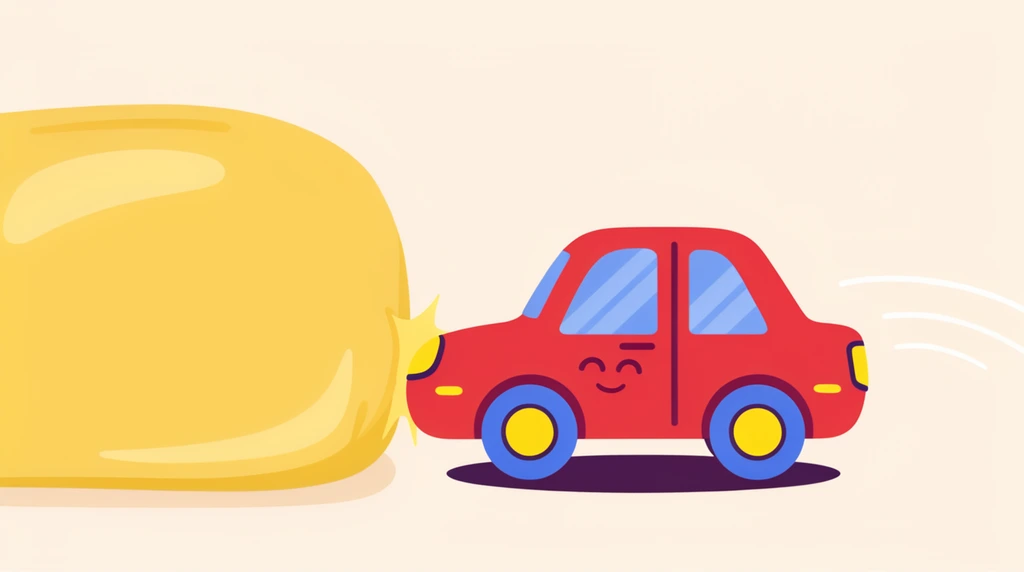
Gravity by the Numbers: Crashing Cars in BeamNG
Eon cranks the gravity in BeamNG from Earth to Jupiter to the Sun, reads the negative numbers out loud, and figures out why a bigger minus pulls cars down harder.
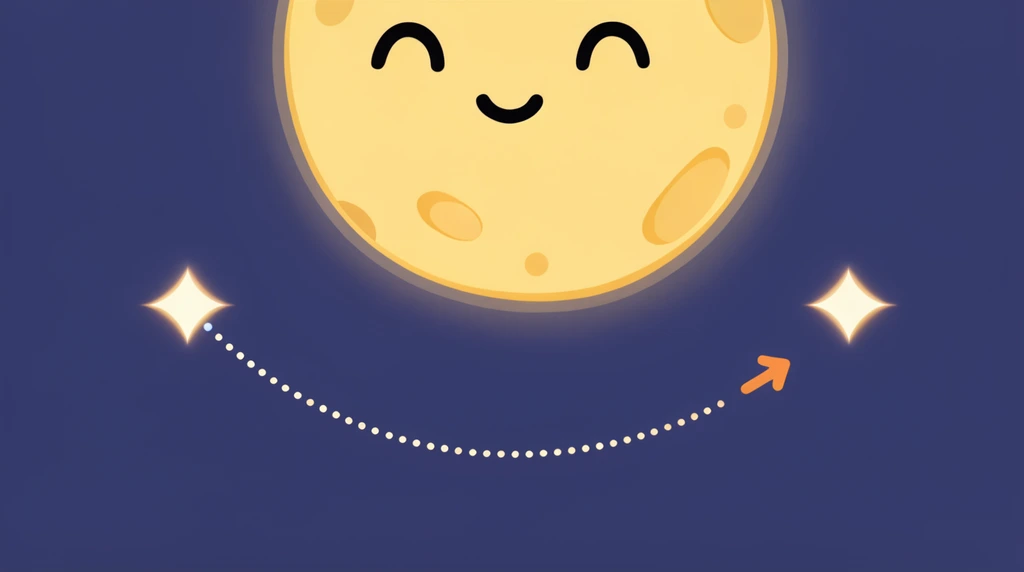
Keyframes: Making a Moon Spin by Itself
Eon animates a 3D moon in Blender with just two keyframes, learns that the real Moon is tidally locked to Earth, and discovers the computer fills in every frame in between.
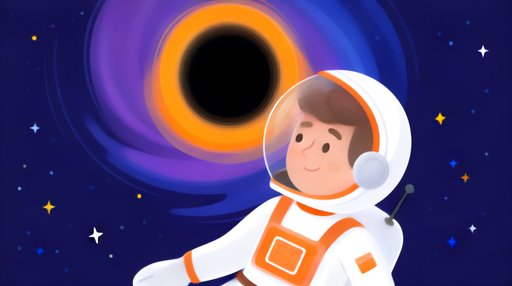
No Man's Sky: The Hunt for a Black Hole
Eon's very first No Man's Sky stream turns into a galaxy-spanning quest to reach a black hole — and a crash course in star colors, fuel, and gravity along the way.

Eon's 'Baby Tornado': What Makes Air Spin?
Eon spots a tiny tornado in his game and calls it a cute baby tornado — here's what a tornado actually is and why air spins into a funnel.
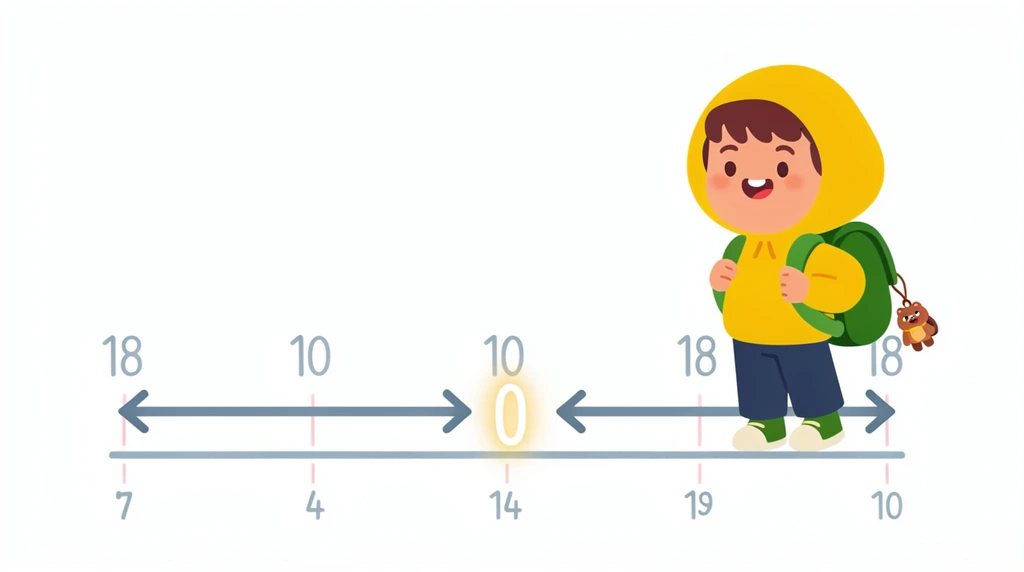
Absolute Value: How Far Are You From Zero?
Eon's dad built a number-line game where Eon gets teleported to random spots and answers one question: how far is he from 'school' at zero? Drag to +17, then to −17, and the surprise pops out — both are exactly 17 away.
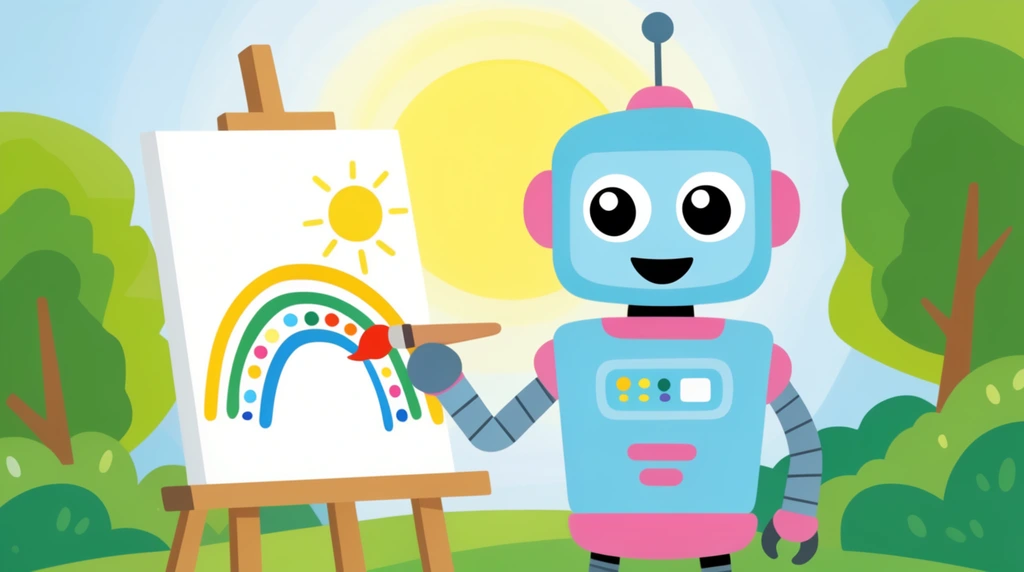
Two AIs, One Picture: Eon Builds a NYC Scene with ChatGPT and Nano Banana
Eon uses one AI (ChatGPT) to write a prompt and a second AI (Nano Banana) to turn it into a picture — a giant Rolex and the star Stephenson 2-18 over New York City. Plus: the Sun is a star, not a planet.
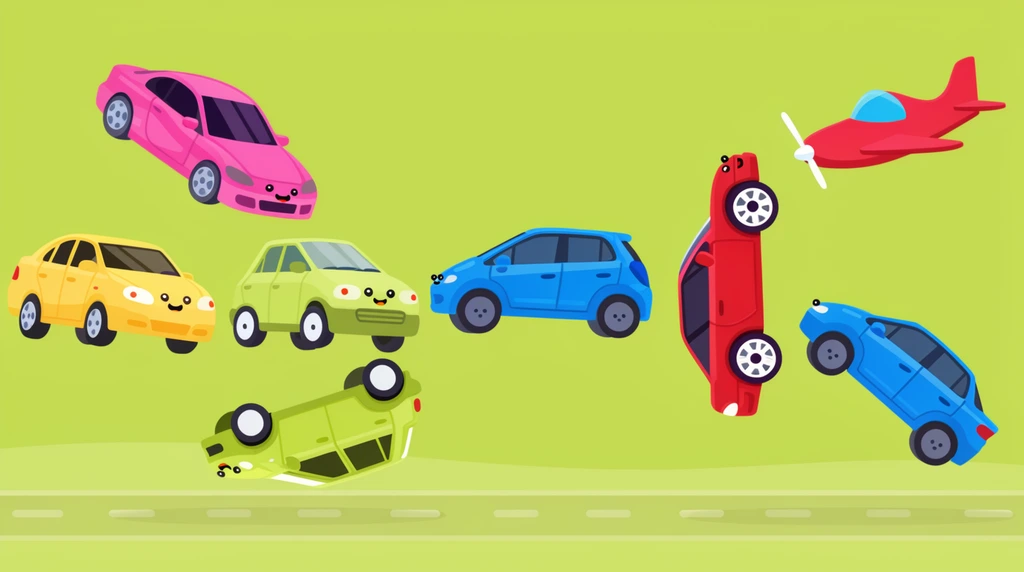
Gravity, Crashes, and AI Cars: Eon Experiments in BeamNG.drive
Eon turns BeamNG.drive into a physics lab — flipping gravity to zero, moon, and negative, crashing planes and super cars, and learning why his vehicles float, fall, and fall apart.

Changing Gravity and Crashing Cars in BeamNG
Eon drags vehicles around a BeamNG map, swaps Earth gravity for floating zero-G, and watches soft-body physics rip wings off planes and crumple cars like spaghetti — learning how a physics engine, gravity, and crash dummies actually work.

How Eon Got a Modded Plane to Actually Fly in BeamNG
Eon and his dad add a plane mod to BeamNG and try to fly it — but they don't know the controls. Through searching a mod repository, asking AI, and testing keys one by one, they finally figure out ignition, throttle, and steering, and stick the landing.
BeamNG's World Editor: Press F11 and Become the Game Developer
Eon opens BeamNG's hidden World Editor (F11) to pre-program car crashes. He learns to record a car's path, replay it on a loop, spawn vehicles without deleting his own, and even turn off gravity — all by setting up the scene first and pressing play.

BeamNG: Why Real Physics Makes a Game Lag (and How Gravity Becomes a Slider)
Eon plays BeamNG for the first time and learns it's a soft-body physics simulation: crashes bend real 'metal,' the math is so heavy his computer lags, and you can crank gravity from Earth to the Sun and break the game.
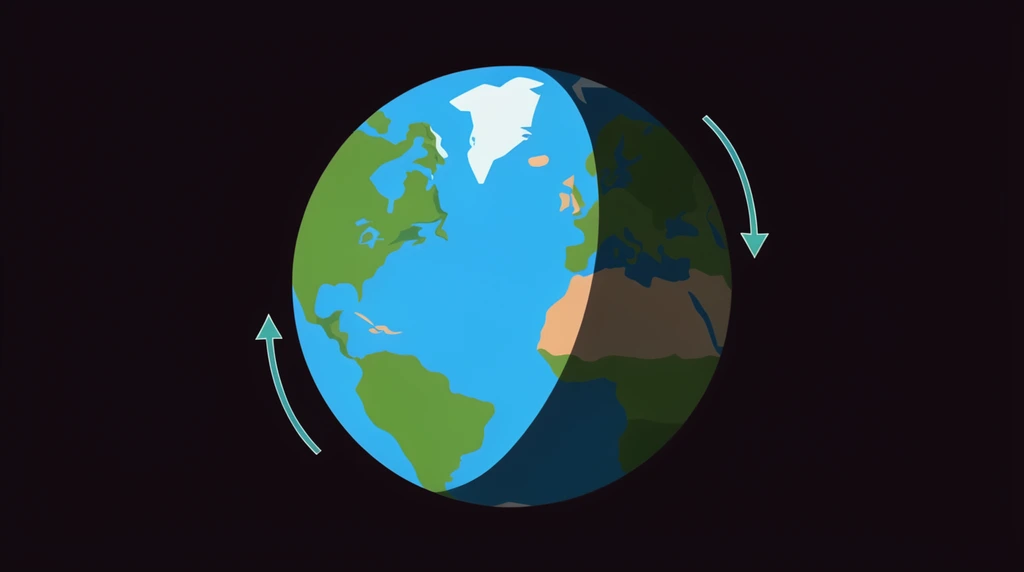
Can You Destroy the Earth? Physics Experiments in Universe Sandbox
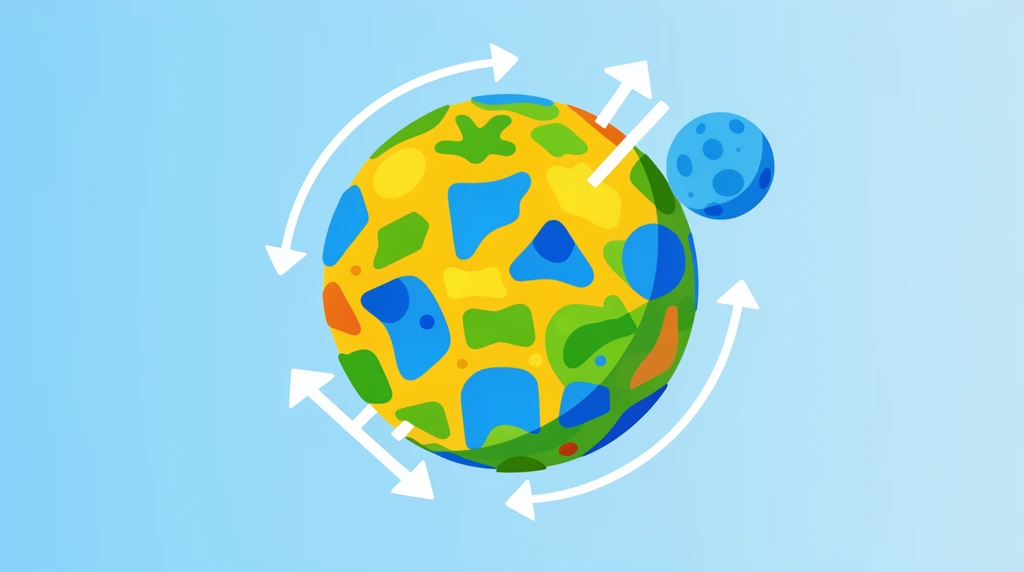
A new Universe Sandbox update becomes Eon's physics lab. He spins the Earth until it bulges, crushes Pluto into a black hole, and keeps hurling bigger objects at our planet to find out what it really takes to wreck a world.
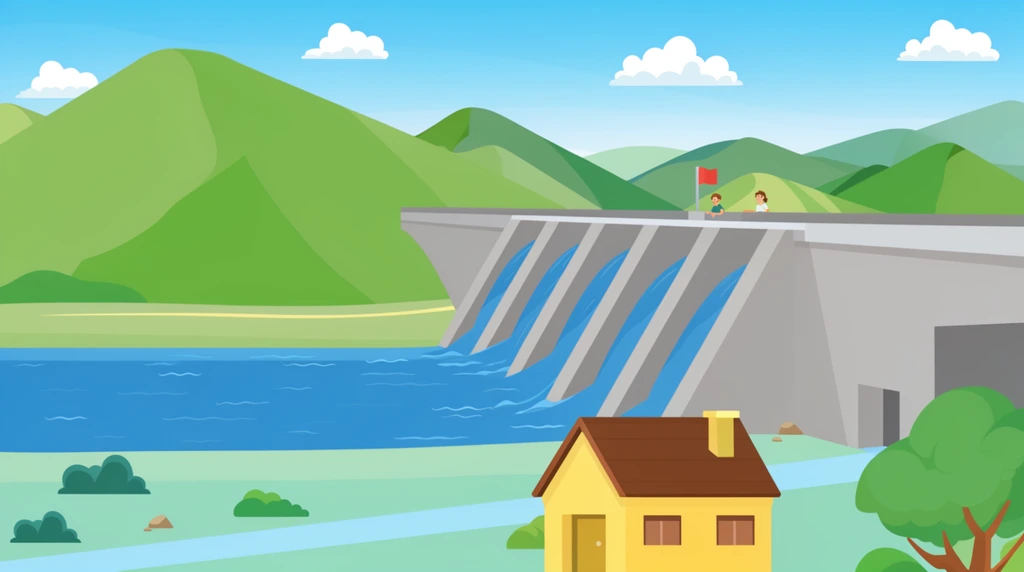
Eon Sees a Dam for the First Time: What Is a Dam?
Eon spots a dam for the very first time. Here's what a dam actually is — a big wall that holds back a river to store water and even make electricity.

Space Engine: Flying from Earth to a Giant Black Hole
Eon opens Space Engine for the first time, learns what every button on screen is called, then flies from Earth out to Saturn's rings and all the way to TON 618 — one of the biggest black holes we know.
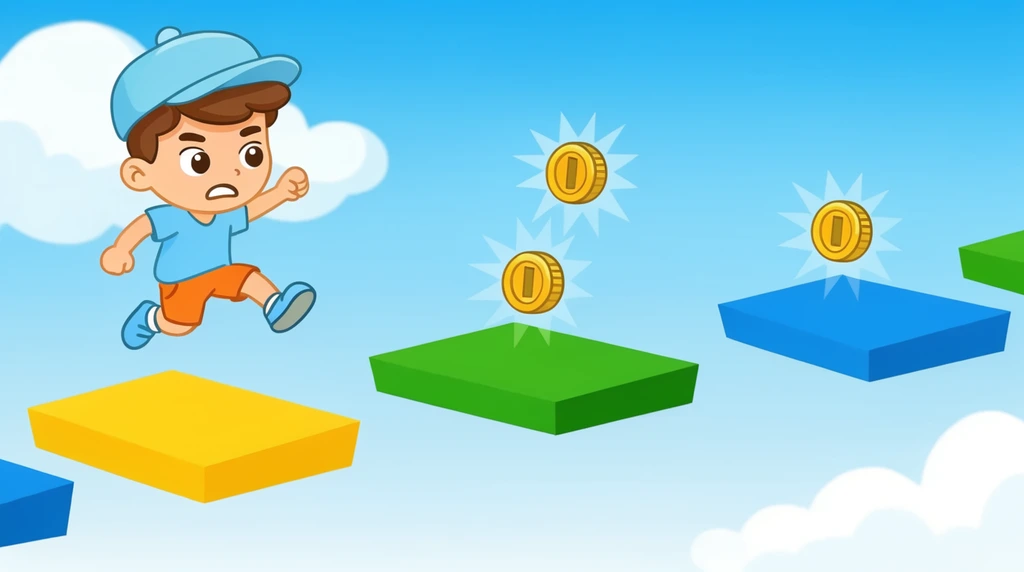
Sackboy Co-op: 'No Hurry — Let's Analyze It First'
Eon (the red hat) and his teammate fight through one brutal Sackboy level — sinking bridges, a seesaw, crabs everywhere, and a fake treasure chest. With only five lives left, the thing that actually works isn't faster fingers. It's stopping to read the level, staying close so the camera can see you both, and waiting for the right moment to jump.
Black Holes and Base Camps in No Man's Sky
Eon flies straight into a black hole, gets flung 6,000 light years across the galaxy, and works out a clever trick to get home: build a base so a teleporter can always bring him back. Along the way he explains save files, the cloud, and why a black hole always spits you out in the same spot.
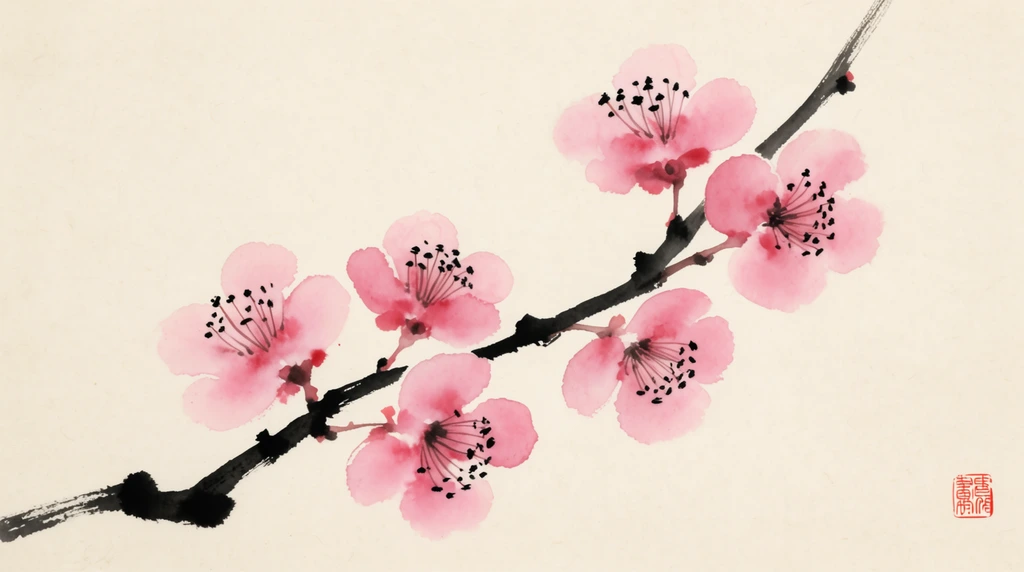
Chinese 'Five' (五): Turning a Tricky Character Into a Jail Window
五 has more strokes than 一 二 三, so Eon and his teaching partner brainstorm out loud — door? horse? ladder? — until an AI render turns it into a jail window with light streaming through.
Chinese 'Four' (四): When the Counting Trick Stops Working
One, two, three were just lines stacked up like sand. So four should be four lines, right? Eon learns that 四 breaks the pattern — and the way to remember it is to spot a sad man's face hiding in the box.
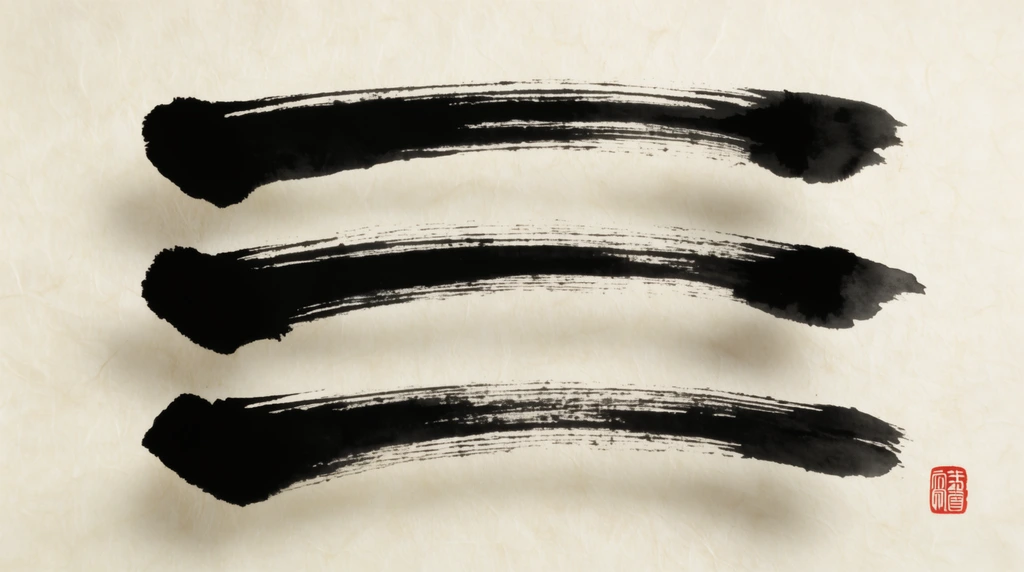
Chinese 'Three' (三): Three Wires, and a Pattern That Counts Itself
After learning 一 and 二, Eon meets 三 (sān). He turns it into three USB-C cables, learns the middle line is shorter and the last is longest, and discovers a real tech tip: you can't draw black on a black background.
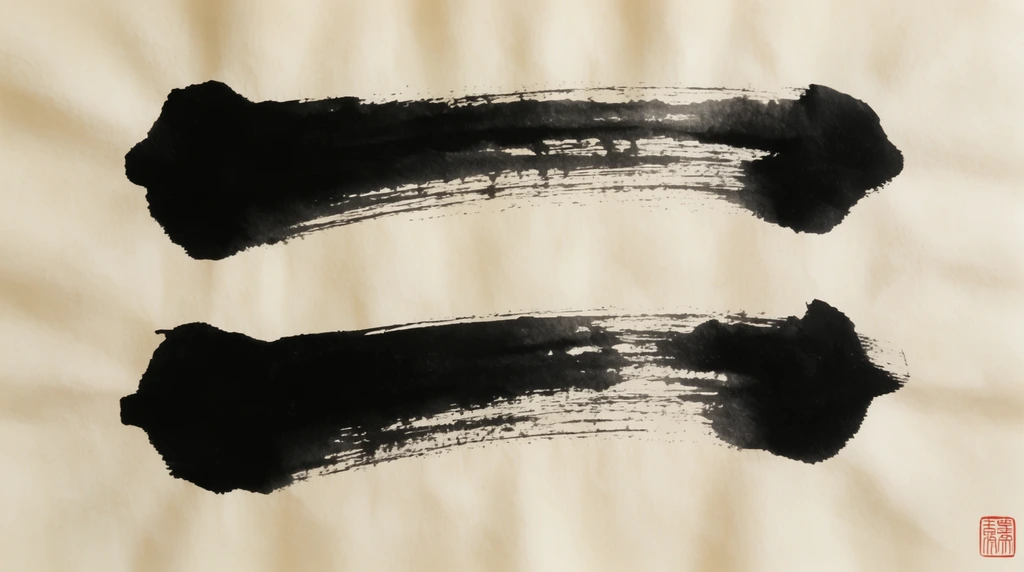
Chinese 'Two' (二): One Snake Becomes Two
二 is just 一 with a second, longer line — so Eon's snake gets a twin. And when he asks the AI to make it 'realistic', it gets a little too scary, teaching a sneaky lesson about turning settings up and down.
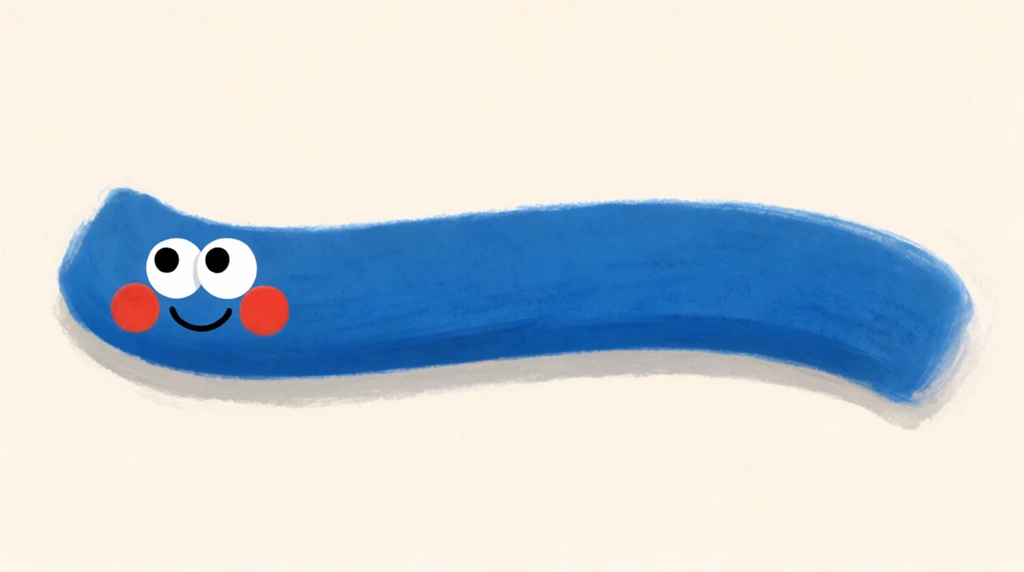
Chinese 'One' (一): Draw One Stroke, Let AI Bring It to Life
Eon learns his first Chinese character — 一, 'one' — by drawing its single stroke with a digital pen and watching an AI turn it into a wiggly snake, then a fallen tree. A picture you invent is a character you never forget.
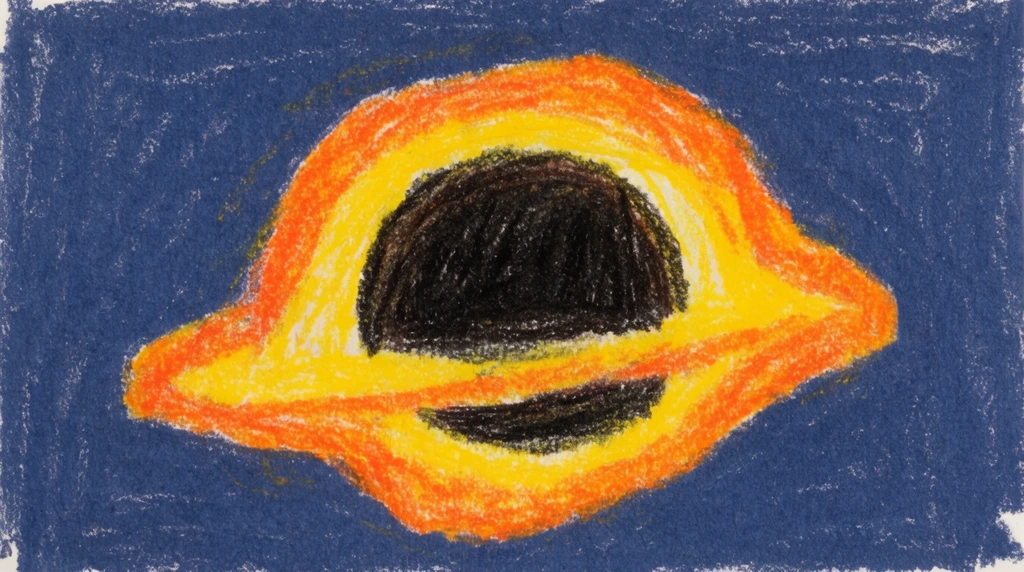
Drawing a Supermassive Black Hole: A Dark Center and a Wild Glowing Ring
The third part of Eon's AI drawing adventure — a supermassive black hole. Eon learns it's not just a black dot: it's a dark center wrapped in a bright, flat, swirling disc, and the AI takes it to gloriously chaotic places.
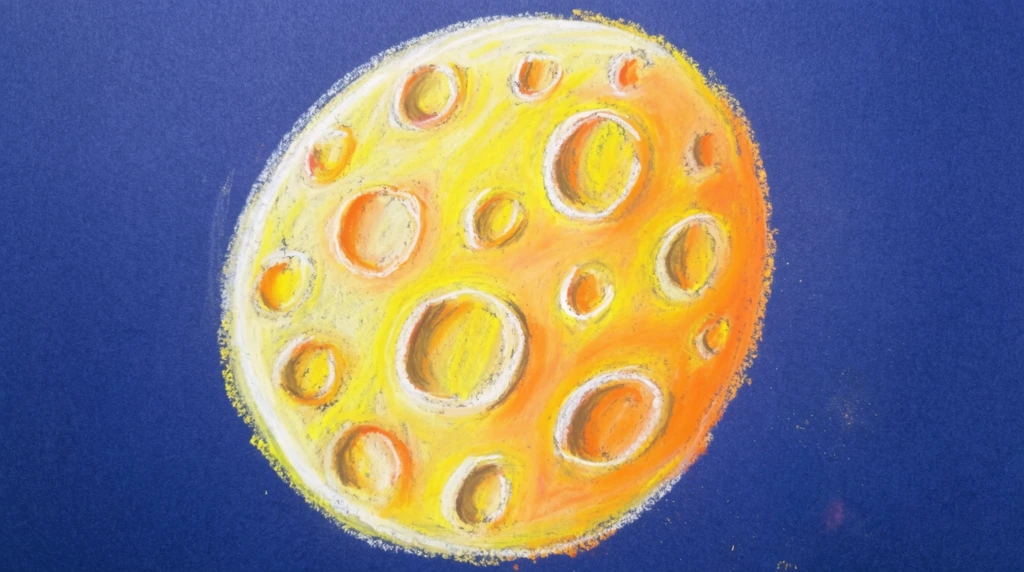
Drawing a Realistic Moon: Craters Are Just Shadows
Eon draws the Moon with an AI art tool and learns the artist's secret — a crater is just a clever shadow — while turning the 'generation' strength down so the picture stays close to his own drawing.
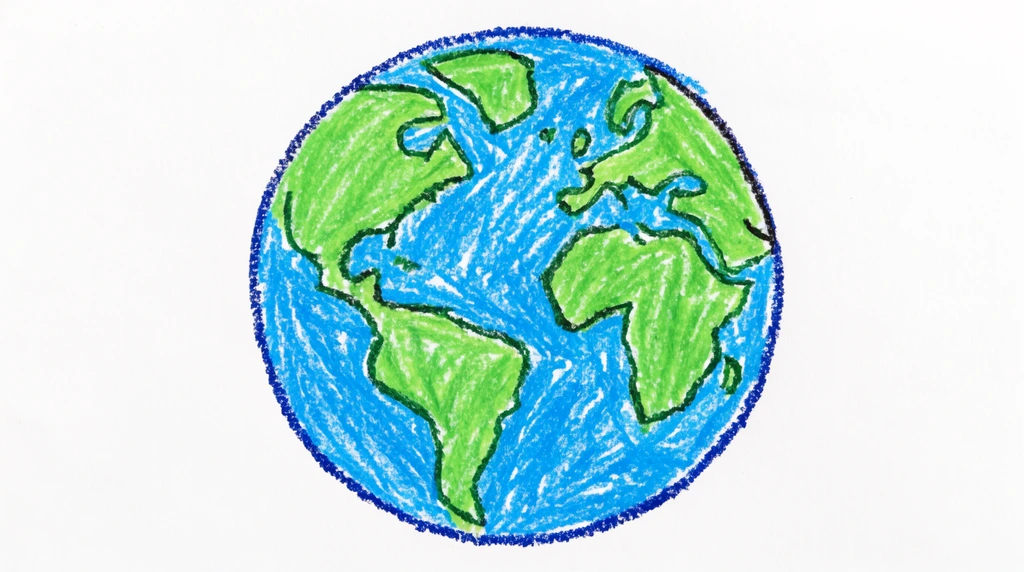
Drawing Earth: Get the Base Color Right First
Eon sketches Earth in a tool where AI brings his drawing to life. To make it look real he has to answer one question first — what color is our planet? Mostly blue ocean, with green land and white poles.
Solar Smash: How to Explore an Update Like a Scientist
In his longest video ever, Eon digs through a new Solar Smash update — comparing every planet to what he remembers, grinding an achievement counter from 46 to 48, and running a real repeat-it-twice experiment to find out whether a giant snake eats a spaceship or cuts it in half.
Negative Numbers Are Just… Underground (Decimals & Negatives Review)
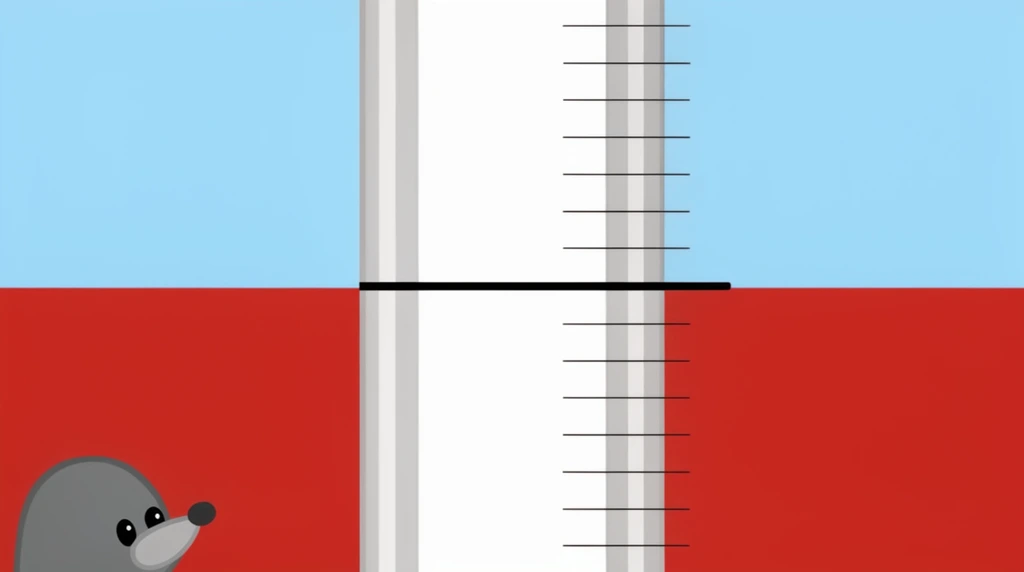
Eon zooms into the number line to find decimals like 0.46 hiding between the whole numbers, then cracks negative numbers with a building: the ground floor is 0 and the basement parking is −1, −2. Suddenly −9 being smaller than −1 makes sense.

Decimals: The Endless Numbers Hiding Between 1 and 2
Eon's dad asks an impossible-sounding question — what do you call the place exactly between 1 and 2? — and the answer opens the door to decimals, and to the mind-bending fact that there are countless numbers hiding in any little gap.
A Tiny Black Hole Eats a Giant Star: Mass Beats Size (Solar Smash)
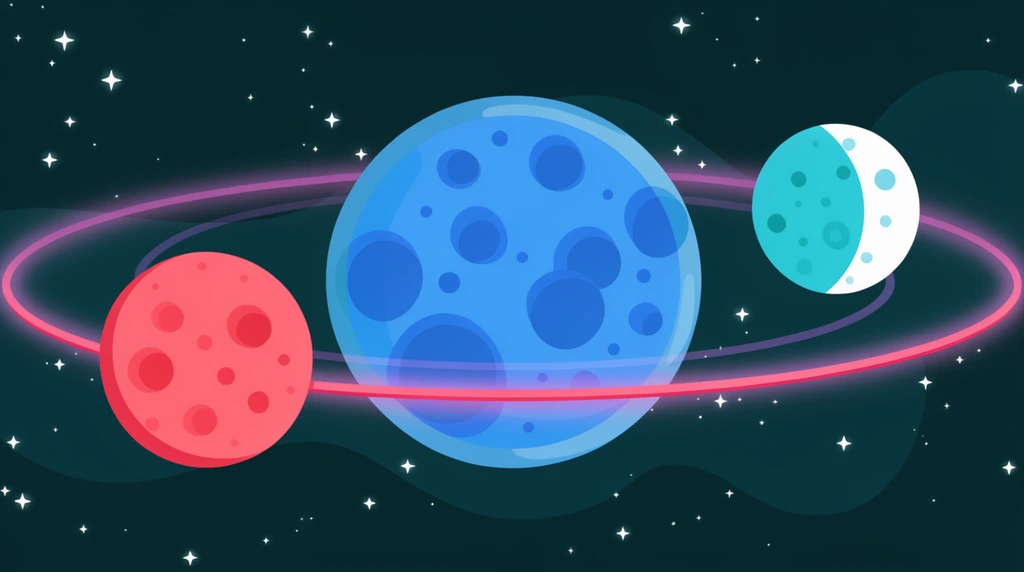
A big Solar Smash update gives Eon two orbiting moons, a fire-breathing dragon, and a brand-new black hole. The wildest discovery: a speck of a black hole rips a star ten times bigger to pieces — because gravity follows mass, not size.
Greater Than (>): The Same Fact, Flipped Around
1 is less than 10 — but flip it and 10 is greater than 1. Eon practices drawing the tricky sign, gets it wrong, then discovers that < and > are two ways of saying the same true thing.
Less Than (<): The Tilted Sign and the Side That Wins
Two is less than eight — but how do you write it down? Eon learns the < sign, the rule that the number on the left is always smaller, and watches his dad get a number wrong, admit it, and explain why that's a good thing.
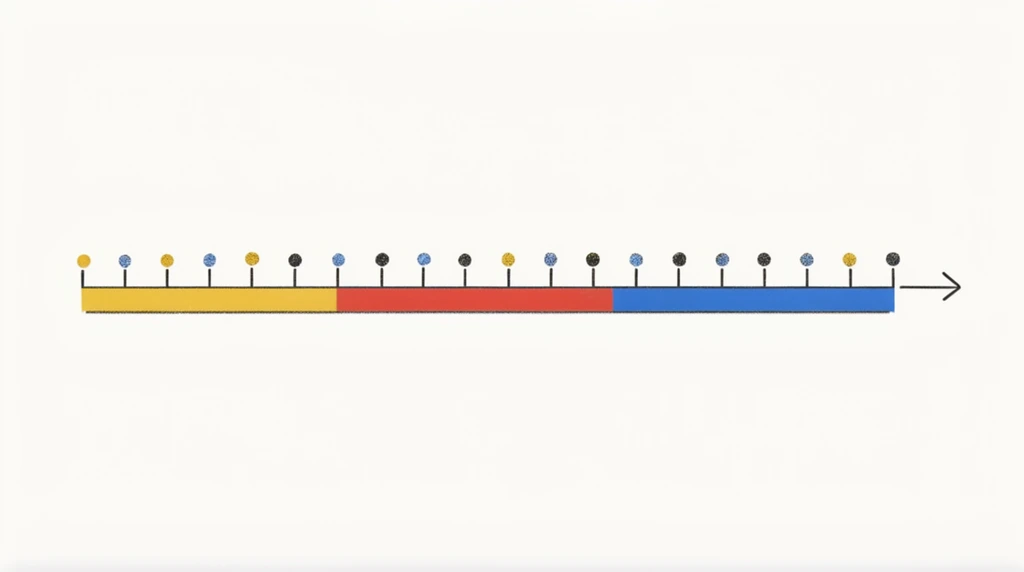
What Is a Number, Really? It's a Place on a Line
In the first Math Playground, Eon and his dad use a number-line program his dad coded to flip how Eon sees numbers: a number isn't just a symbol you write — it's a spot that lives somewhere on a line, and the further right, the bigger.
Drift to Fill the Gauge: Cracking a Racing Game's Nitro Trick
Eon picks a Tesla, races through Scotland and San Francisco, and figures out the real rule behind the nitro boost: you earn it by drifting, then save it for the right moment instead of holding the button down. Along the way he learns about credits, car upgrades, running out of gas, and even what 'merch' means.
Crashing Planets and Melting Worlds in Universe Sandbox
Eon goes wild in Universe Sandbox — heating planets until life burns away, stripping an atmosphere, freezing the Moon, and slamming Pluto into Earth until the simulation breaks. A messy, hilarious tour of temperature, mass, and gravity.
Solar Smash Science: Freezing Jupiter and Painting the Real Earth
Eon plays Solar Smash and turns planet-smashing into real science — building his first planet out of sand, freezing Jupiter until it shrinks, painting Earth's actual continents, and learning that gas planets and ice planets react to opposite weapons.
One Loop, Many Parts: Coding BB-8 to Fix Itself
Eon codes a Star Wars BB-8 droid to roll around collecting its own broken-off parts — and learns when to use a 'repeat' loop, when one step needs no loop at all, and how to plan the shortest path by running the route in your head first.
Swimming in a Stream: Goggles, Holding Your Breath, and a Waterproof Phone
Eon swims in a stream and films the whole thing underwater on an iPhone. Along the way: what a stream is, why we hold our breath and wear goggles, why some phones are waterproof, and the tiny translucent fish he caught.
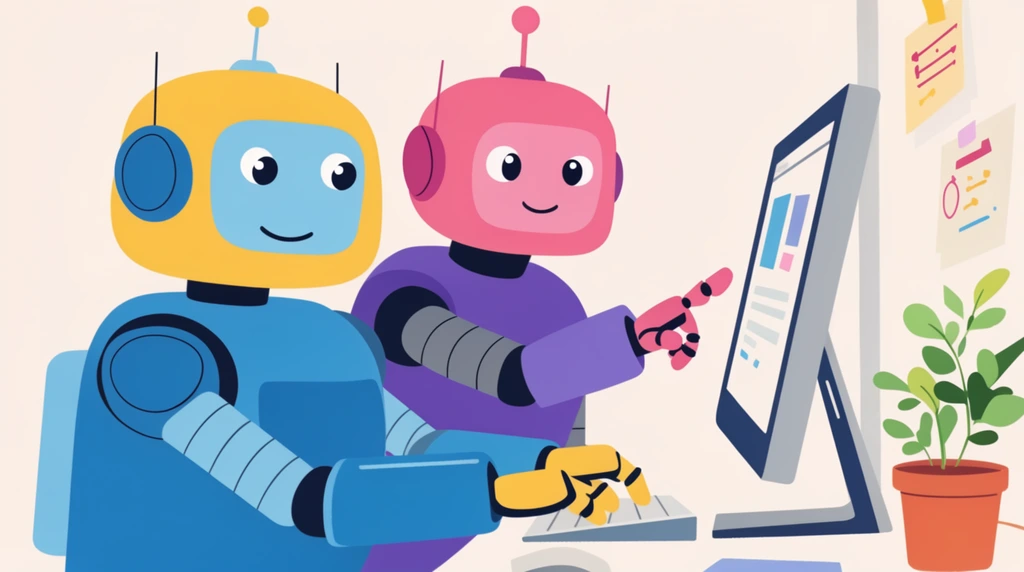
Pair Programming and the Magic of the Repeat Loop
Eon and Dad team up as driver and navigator to guide a bird to a pig — and discover that instead of dragging 'go west' three times, one repeat block can loop it for you.
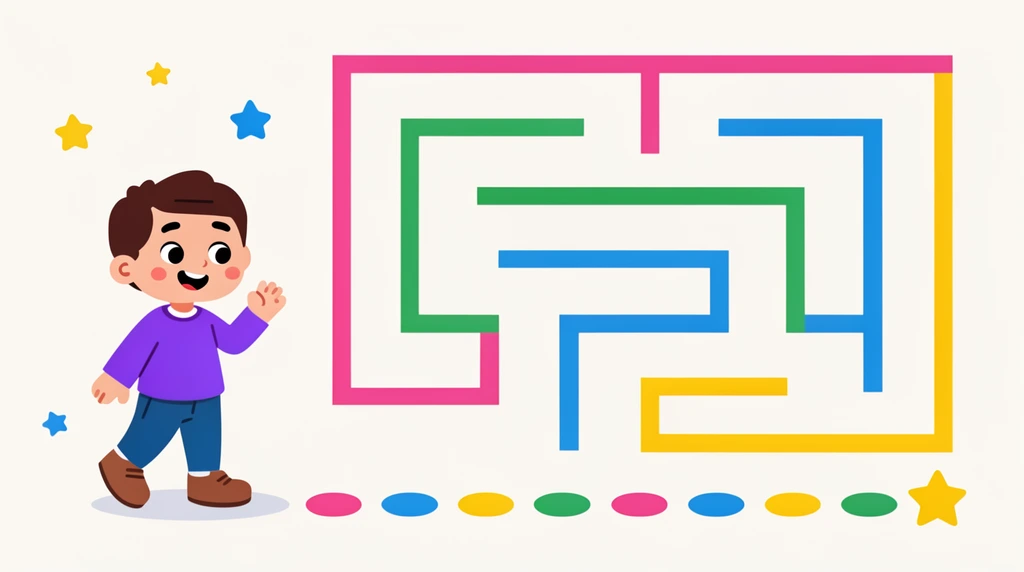
Guiding Scrat Through a Maze: Pick a Direction, Count the Steps
Eon programs Scrat the squirrel across a Code.org maze with direction blocks — and learns that sometimes the puzzle gives you TOO much code, so the fix is to delete blocks, not add them.

Climbing the Steepest Mountain: Slip, Laugh, Keep Going
Eon trades the controller for a real, slippery hillside he calls 'the steepest mountain in the world.' He slips, uses a stick, picks a better path, and keeps climbing until he can shout 'I made it!' A hands-on lesson in slopes, traction, and not giving up.
Click, Drag, Snap: Eon's First Puzzles at Code.org
With a brand-new mouse in hand, Eon works through 11 puzzles at Code.org. Before any real coding, he learns to click, to drag, to snap blocks into place — and how to take a tricky block apart when the pieces are stuck together.
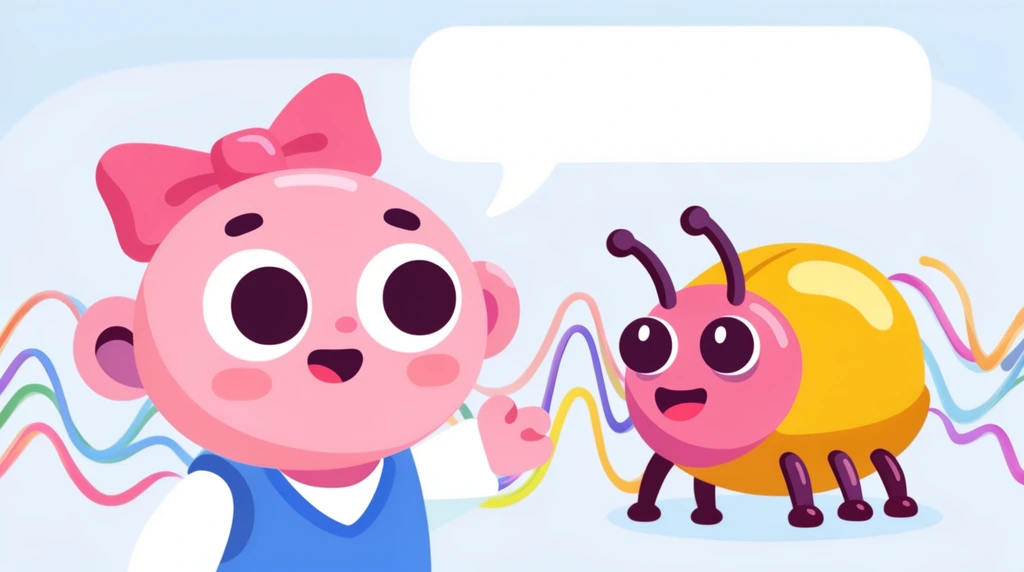
Give the Cat a Voice — and Meet Your First Two Bugs
Eon records his own voice so the cat can welcome viewers all by itself. The audio refuses to play the first time, then lags on replay — and those glitches turn into the best lesson in the whole video: every program has bugs, and you just fix them and keep going.
Follow Your Objective (a Coder's Compass)
Eon's intro animation works — but he tells his dad it's boring. The cat just jumps and moves in silence. Instead of brushing it off, his dad turns that complaint into the most important habit in coding: always check your work against the goal you set out to reach.
Press the Flag: Writing Movement Instructions Once, Then Pressing Play
In Coding Lab 8, Eon stops dragging the cat by hand and writes a real program instead — a green-flag start, a chain of 'move right' blocks, and a jump — then learns that a program follows your orders exactly, every single time you press play.
Spot the Repeat: The #1 Reason to Write a Program
Every YouTuber says nearly the same intro and outro on every single video. Eon spots that repetition and learns programming's golden rule — if you do something every time, make the computer do it for you.
You're the Boss of the Cat: Writing Instructions in Code
Eon already built his first game — now his dad shows him that as the developer, he can make the cat move, turn, and repeat however he wants. Players just follow the instructions Eon writes.
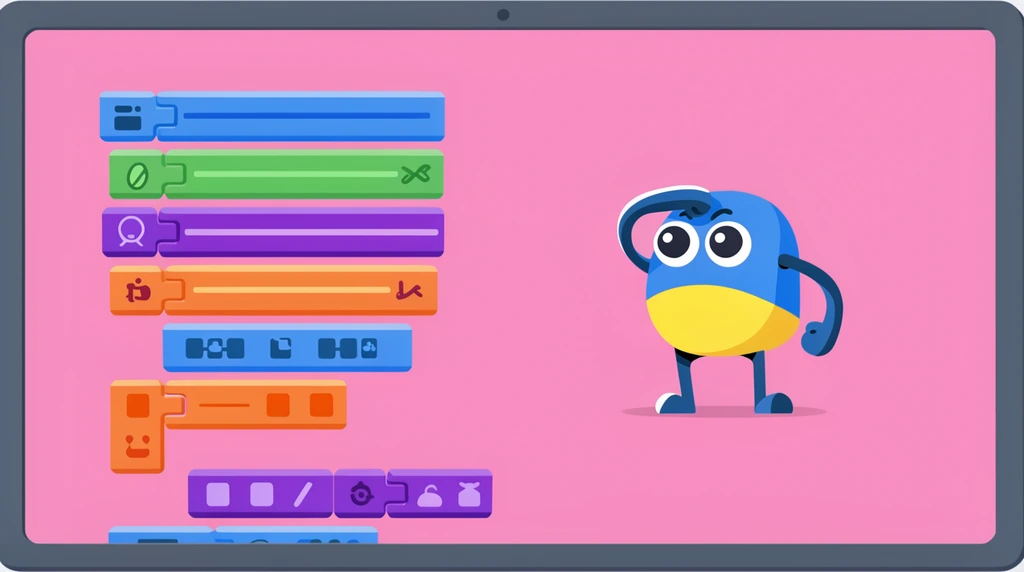
Your First ScratchJr Project: Player vs. Maker
Eon's dad makes him stop watching and tap the buttons himself in ScratchJr — find Home, hit the +, and discover the mindset that turns a kid who plays games into a kid who builds them.
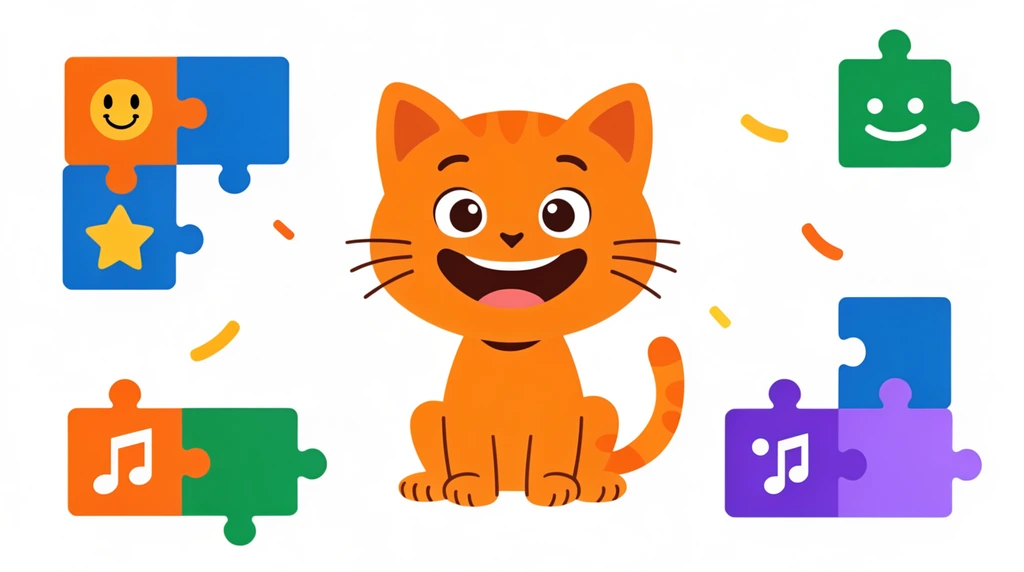
Meet Scratch: Coding Made for Kids
Grown-up developers type languages like Swift and C++. In Coding Lab 4, Eon learns he gets to start somewhere friendlier — ScratchJr on an iPad, where a cat waits and you practice coding without typing a single line.
What Is Coding? It's Writing Instructions for Machines
In Coding Lab 3, Eon and his dad use the camera, the mic, and the games on his iPad to crack open one big idea: machines only do what they're told. Coding is how you tell them. Plus a sharp lesson on why understanding beats trusting the AI.
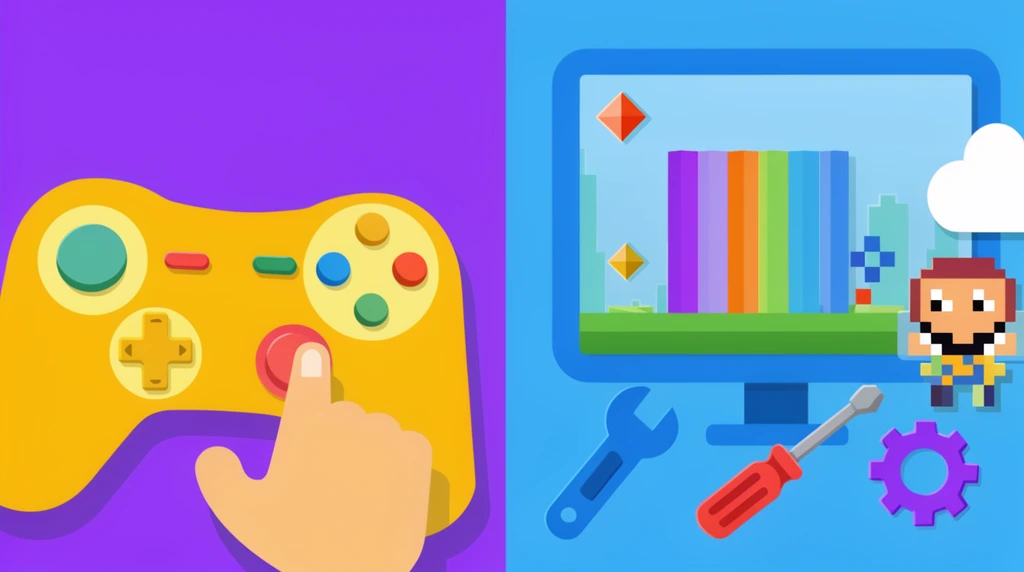
Players vs. Makers: Why Build Your Own Game?
Eon plays Solar Smash, City Smash, and watches gaming YouTubers for hours — then tells his dad he wants to make a game of his own. That one wish is exactly what a developer does, and it kicks off the whole Coding Lab adventure.

Sculpting a Black Hole and Its Glowing Disc in Nomad Sculpt
The big finale of Modeling Lab: Eon builds a supermassive black hole in Nomad Sculpt. It takes a giant black sphere PLUS a flattened donut for the glowing disc — and a new 3D shape called a torus.

What's a Developer? (Coding Lab Begins!)
In the very first Coding Lab clip, Eon's dad reveals a hidden truth — he's a developer — and promises to teach Eon to build apps and games himself.

The Sun and Our Atmosphere
Eon spots a rainbow halo around the Sun and discovers how Earth's atmosphere bends sunlight — a warm look at our nearest star and the blanket of air that protects us.
Painting in Nomad Sculpt: Color, Brushes, and a Giant Star
Eon paints his 3D models in Nomad Sculpt — tuning saturation and brightness, sizing his brush, then lining up Earth, a pyramid, and a star called Betelgeuse for an epic size comparison.
Add a Star to Your Scene: Spheres, Gizmos, and Radius in Nomad Sculpt
In a fresh Nomad Sculpt project, Eon adds a brand-new star from a primitive sphere, then moves it with the gizmo, pans the view, grows it with the radius slider, and validates it. Real 3D-modeling vocabulary, learned by doing.
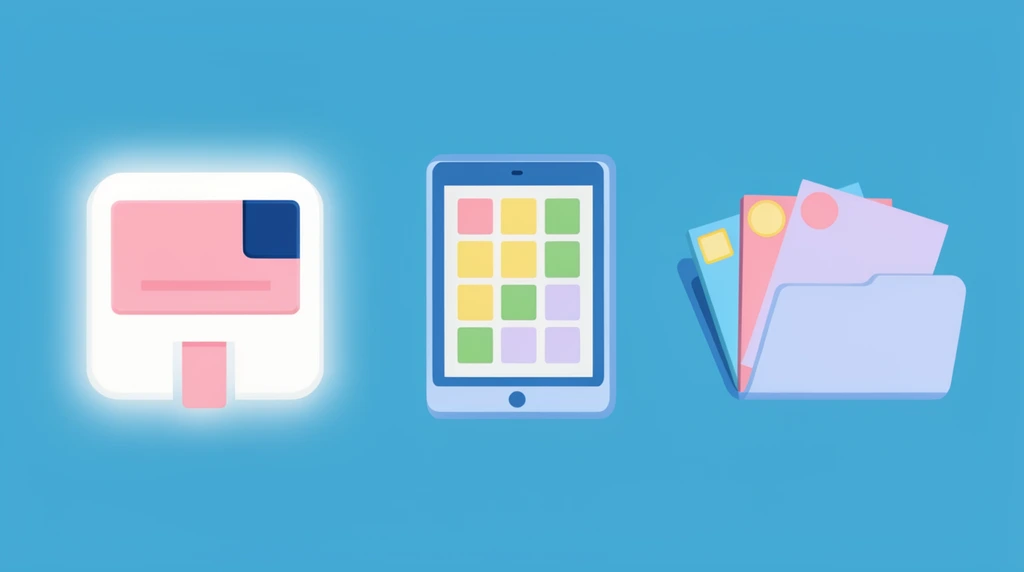
Save First, Then Make New: Managing Projects in Nomad Sculpt
In Modeling Lab 2, Eon learns the three moves every 3D artist needs in Nomad Sculpt — Save your work, start a New project, and use the folder to Open an old one — then makes a real artist's choice to go back and finish a sculpt he'd already started.
How Big Is a Star? Sculpting a Size-Comparison Universe
Eon kicks off the Modeling Lab by sculpting his own size-comparison universe in Nomad Sculpt on iPad — growing spheres from a tiny pyramid-topped Earth, to the Sun, to a star twice its size, all the way out to a galaxy's black hole.
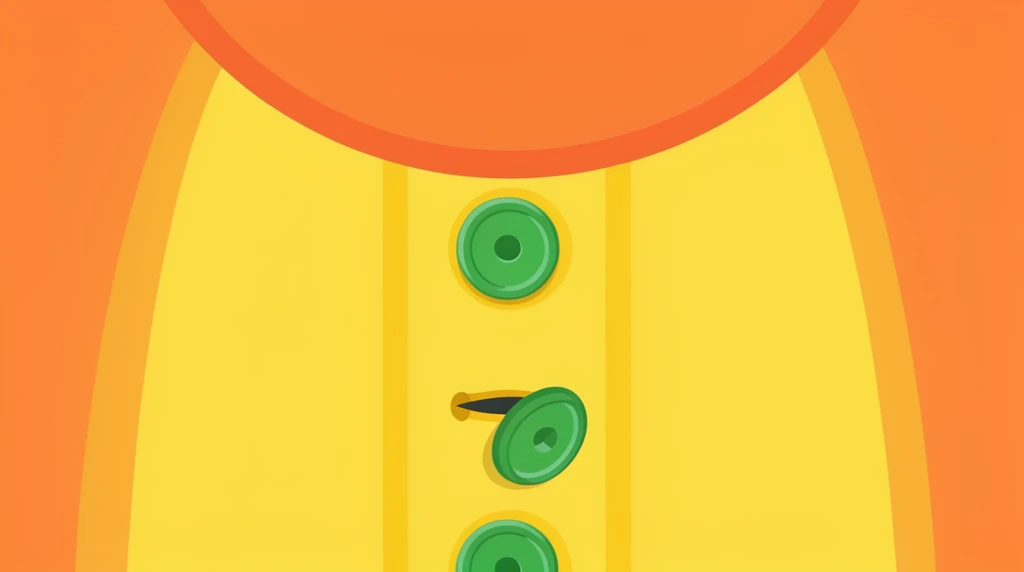
Buttoning Up a Shirt: Find the Hole and Push It Through
In a quick clip, Eon shows other kids the whole trick to buttoning a shirt: line the button up with its hole and push it through. A simple, useful self-care skill you can practice every morning.
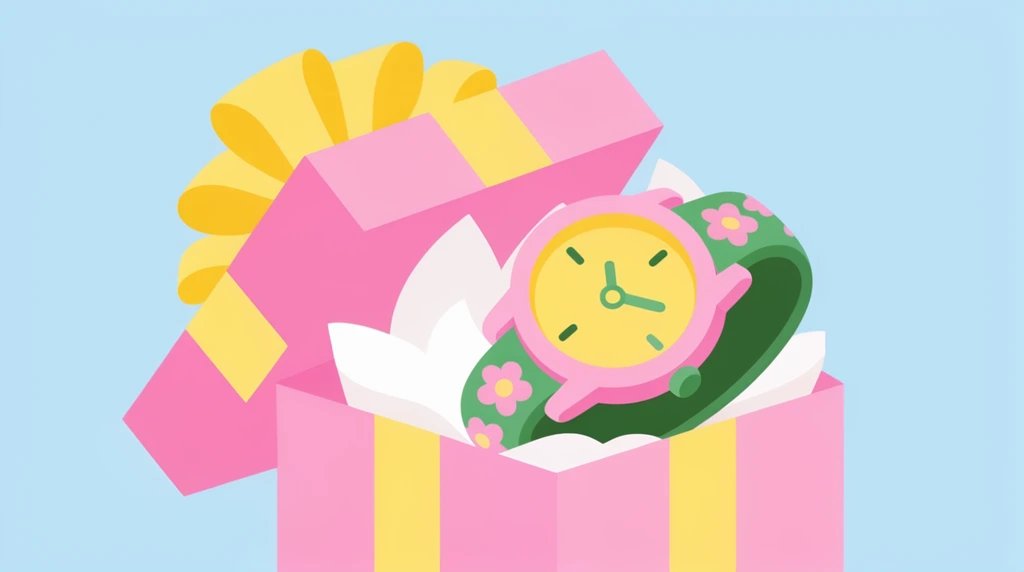
Unboxing a Hello Kitty Space Watch (and Why It Was 'Sleeping')
Eon opens a brand-new Hello Kitty space watch layer by layer, peels off the hidden protective film, and discovers the watch is 'sleeping' — a real lesson in packaging, protective layers, and why a new watch shows the wrong time.
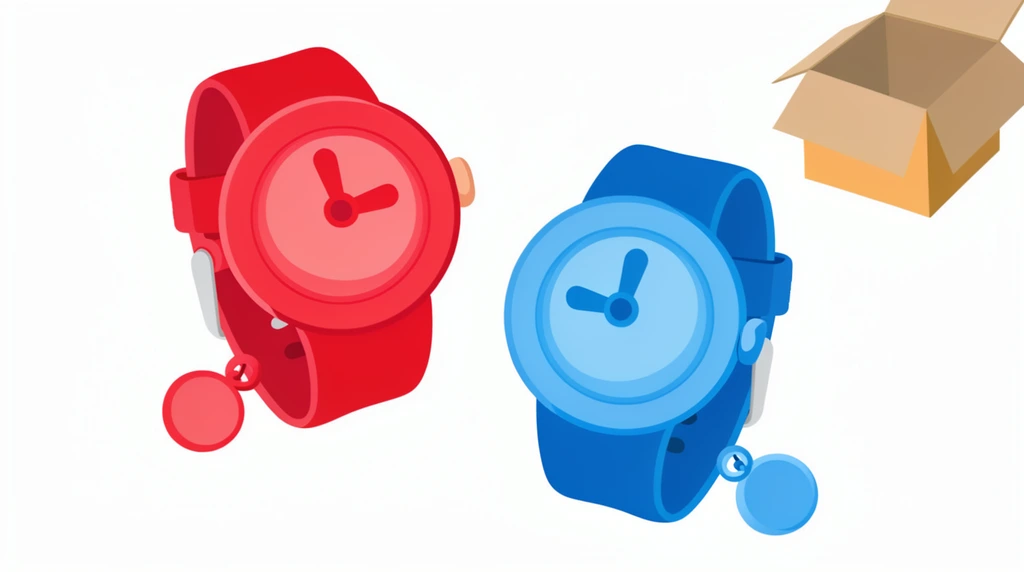
Unboxing a Judy Hopps Happy Meal Watch (and Comparing It to Real Ones)
Eon opens a McDonald's Happy Meal toy watch, finds the easy pull-tab, reveals a Judy Hopps surprise, then lines it up against his Casio and another watch to judge what makes each one good.

Customizing a Zootopia Watch: The Gary the Snake Band Swap
Eon's old watch broke, so he unboxes a new Zootopia one and tries to swap on a Gary-the-snake band himself. It takes forever — and teaches patience, sticker-application skills, and how to compare two things fairly.
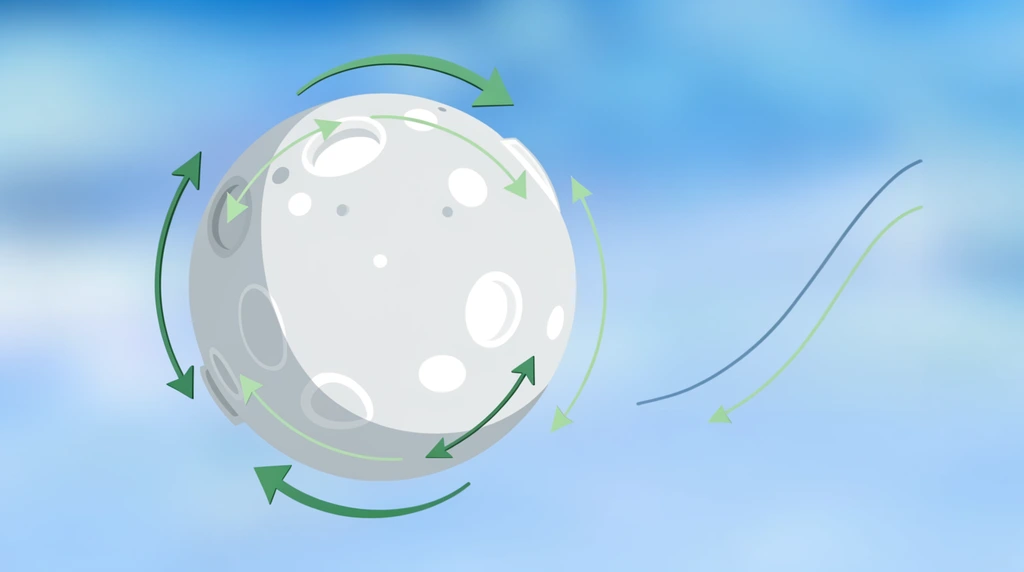
Why Eon's Spinning Moon Speeds Up and Slows Down
Eon notices his animated moon doesn't move at a steady pace — it creeps, races, then eases to a stop. That one sharp question opens up how Blender 'interpolates' between keyframes, and how the Graph Editor lets you change the speed curve from linear to bouncy to elastic.

A Few Real-World Moments: Squid, the Beach, a Tiny Singer, and First Fries
Four quick everyday adventures with Eon — night fishing for squid, a wavy day at the beach, a giggly 3-year-old singing clip, and tasting Wendy's for the very first time. Small moments, big curiosity.
A Moment of Truth: Watching a Render That Took Over an Hour
After waiting more than an hour, Eon finally hits 'View Animation' on his very first 3D movie. It works — but when he tries to zoom in, he discovers something real about how a finished render plays back.
VR Workout with Dad: Moving Your Whole Body in Virtual Reality
Eon puts on a VR headset and works out with Dad — jumping, reaching, and swinging his arms inside a game world. A warm look at how virtual reality gets your whole body moving.
Rendering a Moon Movie, One Frame at a Time
Eon clicks 'render animation' and watches the computer build his spinning-moon movie frame by frame — discovering why every picture is really just pixels, and how lowering the sampling makes it render faster.
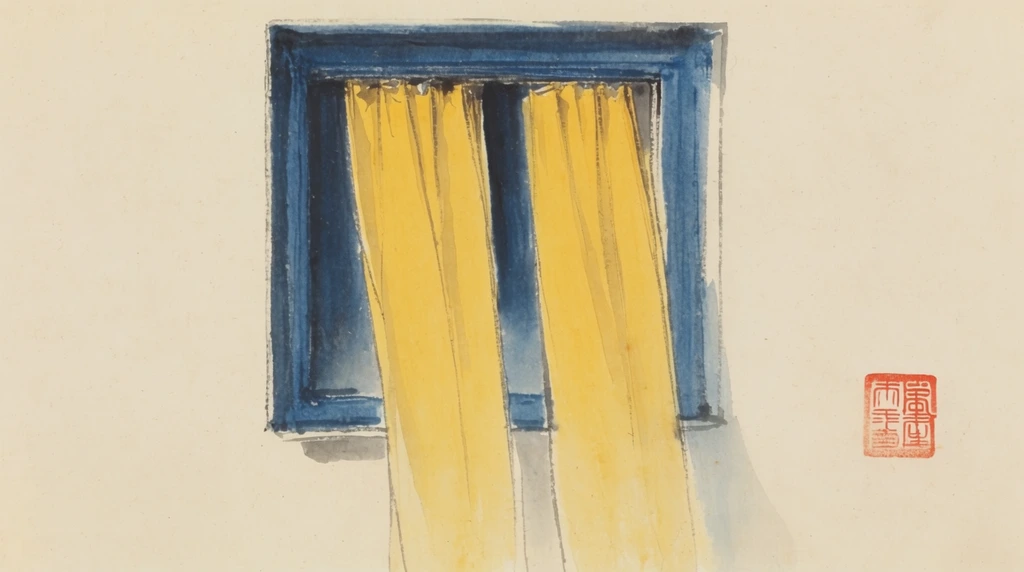
Drawing the Character 四 (Four): Turning a Tricky Shape Into a Picture You Remember
Eon uses an AI image maker to turn the Chinese character 四 (sì, 'four') into a memorable picture, testing idea after idea — two legs, a TV, a window with curtains — until one finally clicks.
Type the Number: Precise Rotate and Scale in Blender
Eon discovers why dragging with the mouse can't make a moon spin forever — so he opens the N panel and types exact numbers for rotation and scale, the first step toward real animation.
The Array Modifier: Type a Number, Get a Thousand Copies
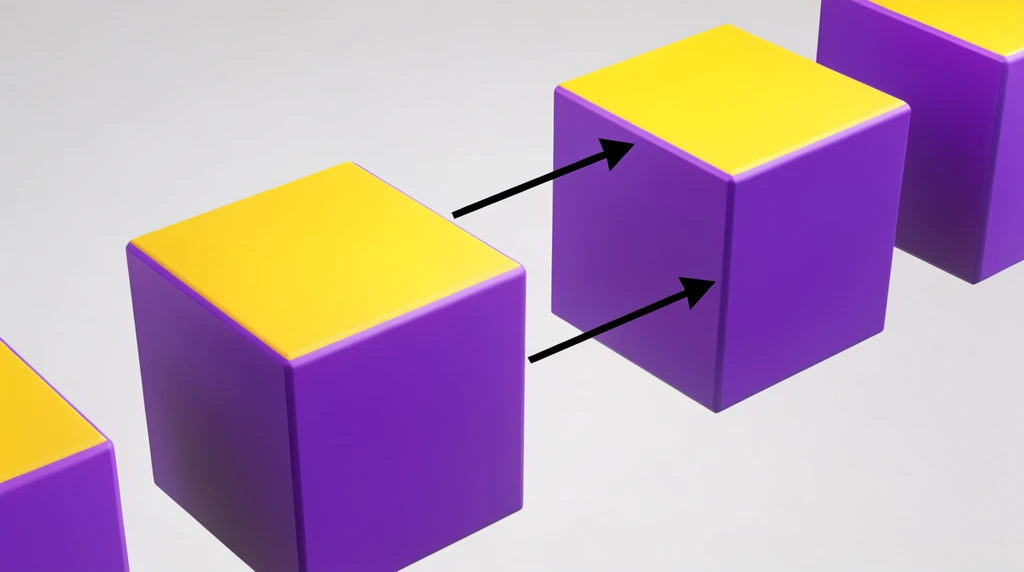
Eon needs lots of spheres. He could press Shift+D over and over by hand — or add an array modifier, type a number, and let the computer build 8, then 100, then a 5,000-tall tower automatically. It's the loop idea, in 3D.
Building with Dad: Eon Play-Tests a Playdate Game
Eon and Dad test a game they built on the Playdate console. See how play-testing finds what works, what's too hard, and what to fix next.
Make a Moon From a UV Sphere
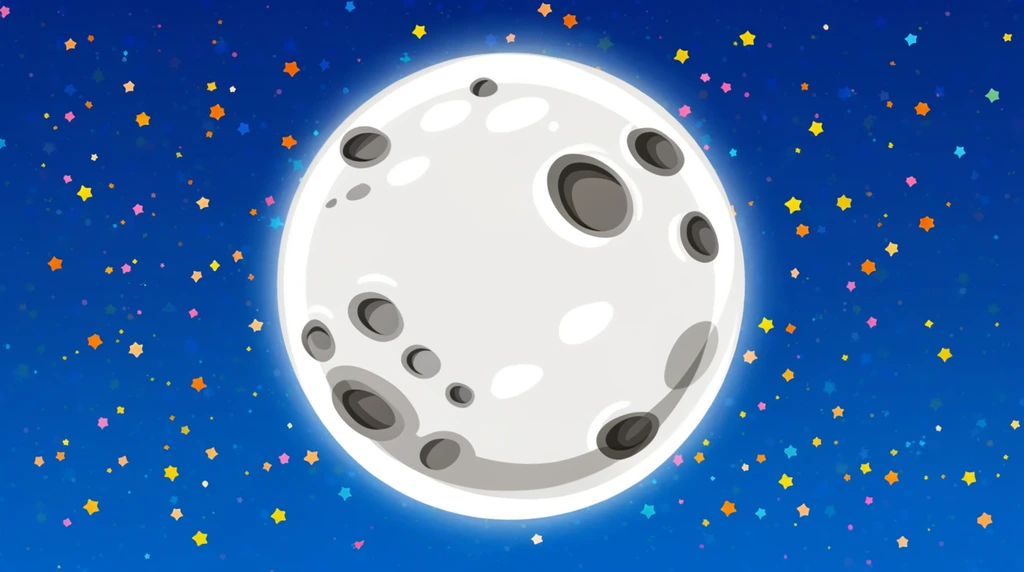
Eon builds a Moon in Blender, and a Moon is a ball — so he meets the UV sphere. Along the way he fixes a wrong key guess, finds the sphere hiding in the Mesh menu, and uses wireframe mode to see why a sphere is just longitude and latitude lines.

It Is Snowing! What Snow Really Is
Eon sees real snow for the first time and watches a flake melt. Learn what snow is, where it comes from, and why it turns into water.
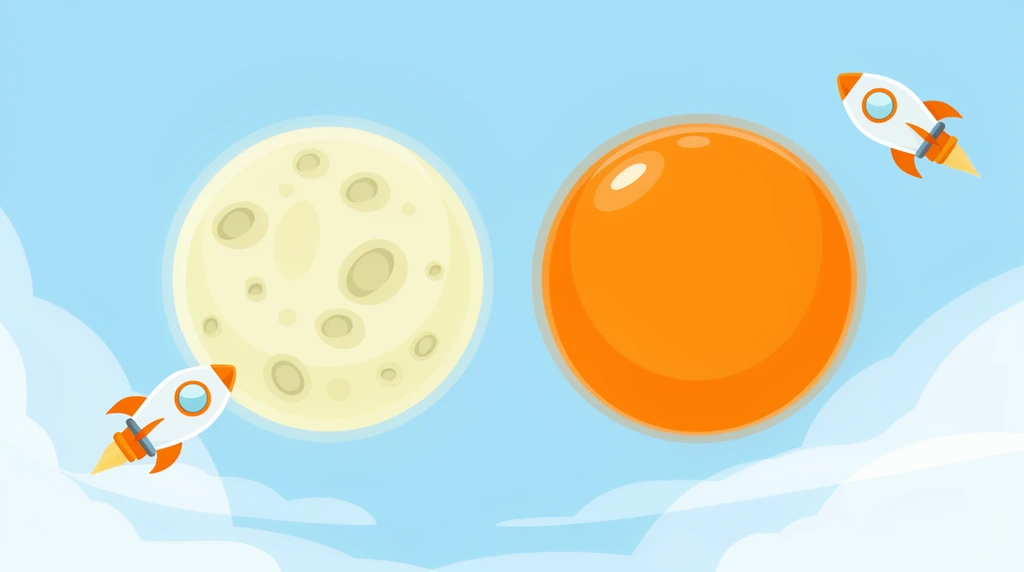
Wrapping a Flat Photo Around a Ball: How NASA's Moon Maps Work
Eon wants to rebuild the whole solar system in 3D and starts with the Moon. He opens NASA's real photos and discovers the trick pros use: take a flat picture, wrap it around a sphere like a pancake, and add height data so the craters actually stick out.
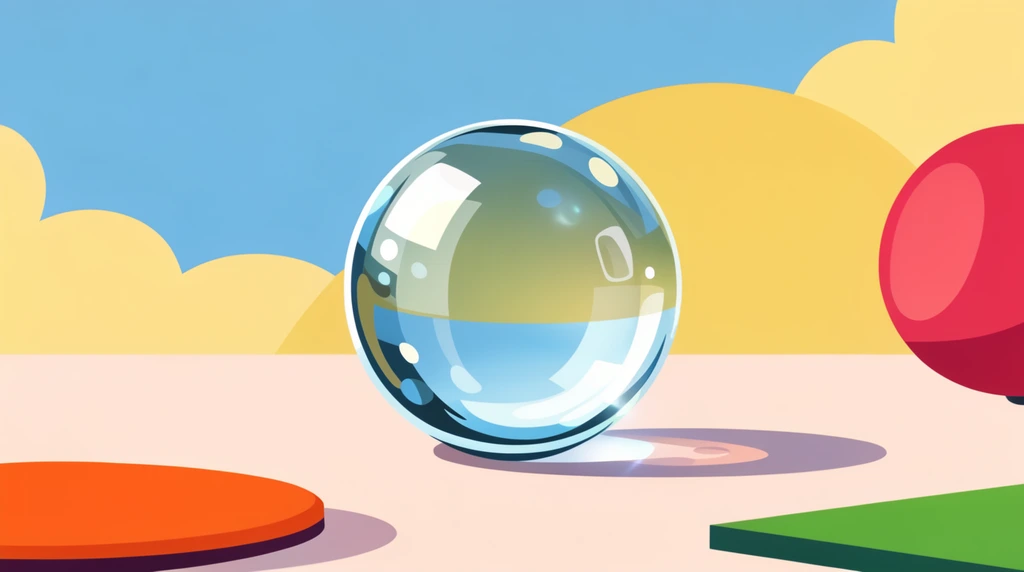
Glass, Light, and Why Hot Stars Are Blue
Eon turns his Blender model into glass, makes it glow like a snow globe, and turns the light blue — then discovers the real-star rule: blue is the hottest, red is cooler.
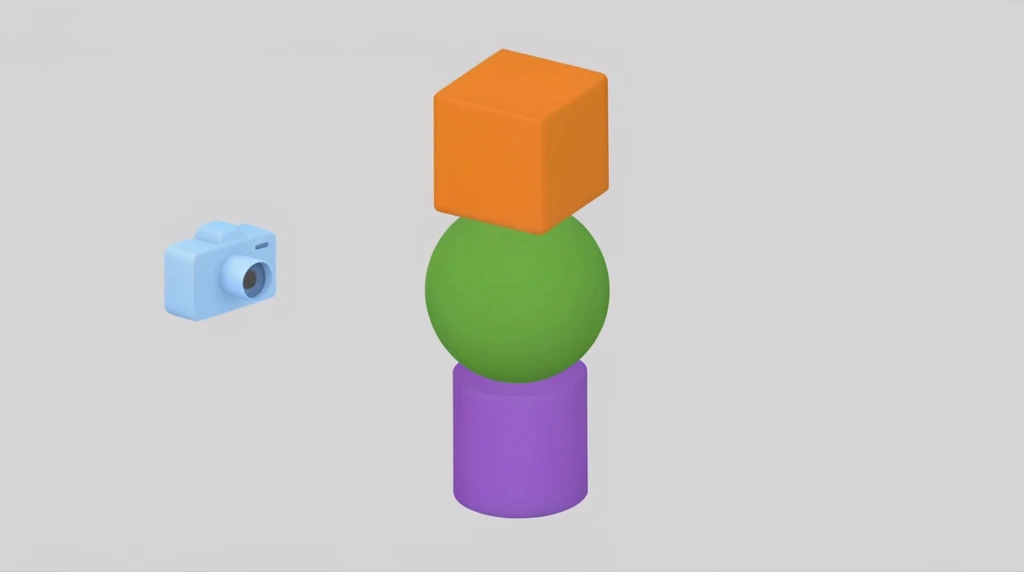
From a Squashed Cylinder to a Glass Planet: Blender Shapes, Light & a UV Sphere
Eon sees his watch is just simple shapes rearranged, then builds a scene: a plane floor, a cube lifted on the Z axis, a light he sweeps like a sunrise, and a UV sphere he turns into a smooth 'planet Earth'.
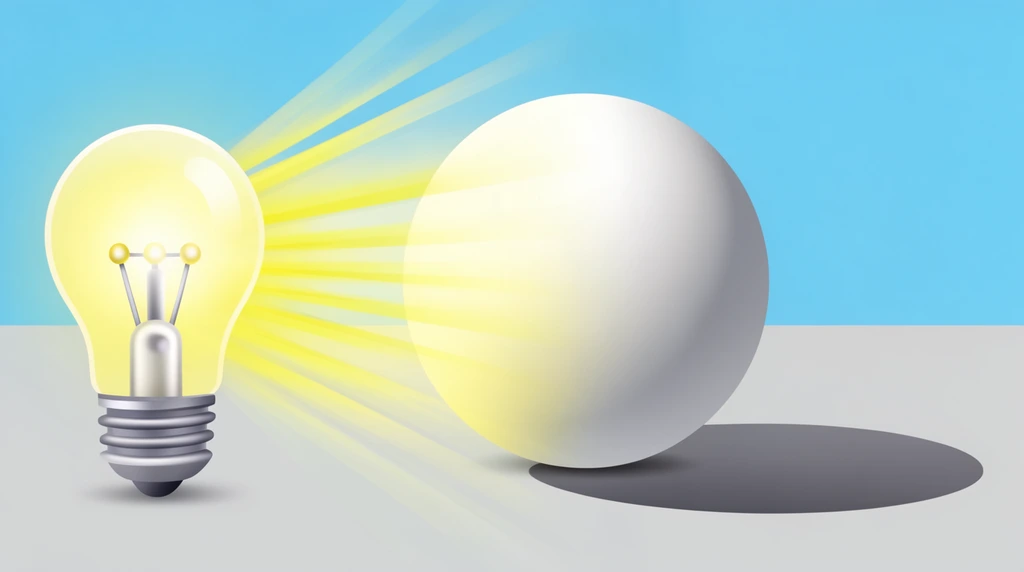
From Sketch to Real: How Blender Adds Light to a 3D Watch
Eon takes a rough 3D watch and walks through Blender's four view modes — wireframe, solid, material preview, and render — discovering how the computer calculates light, shadow, and reflections to make a model look like a real photo.
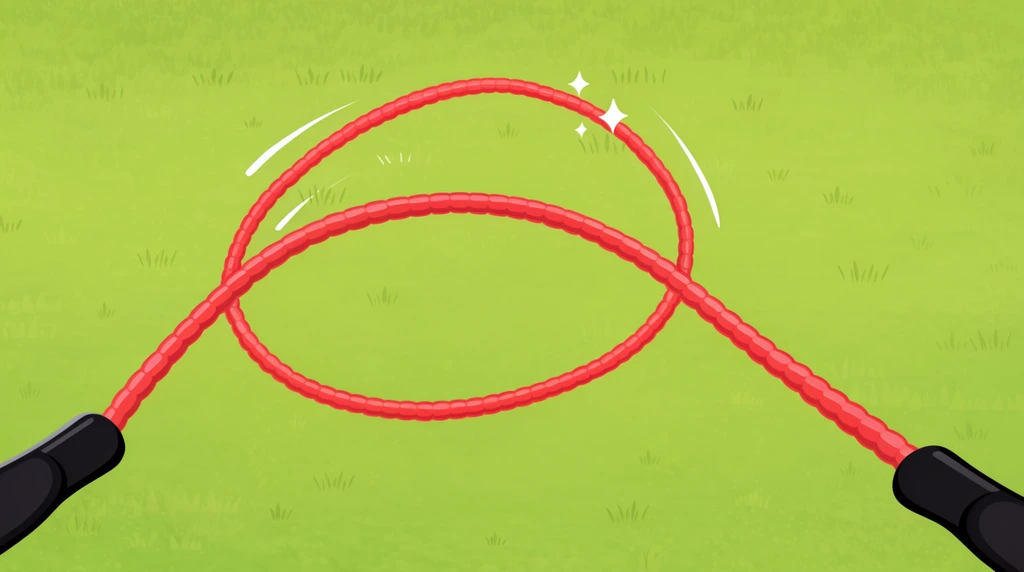
Eon's Jump Rope Journey: From First Jumps to the Running Man
Eon learns to jump rope — turning 180 degrees, jumping backwards, picking up speed, and trying the running man. A little story about coordination, timing, and practice.
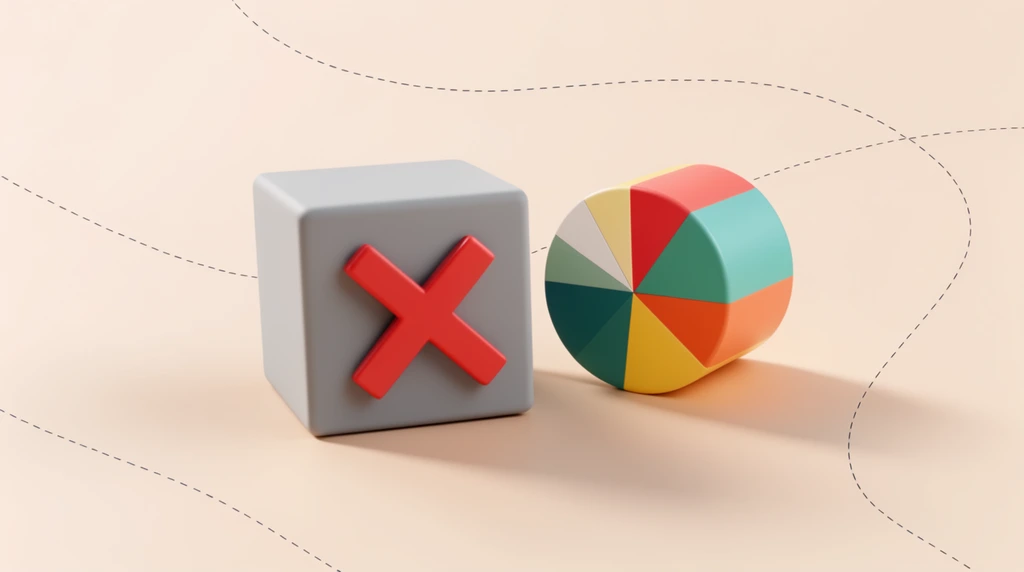
Building a Watch in Blender: Meet the Cylinder
Eon wants to model a watch, so first he has to figure out its shape. Along the way he deletes the cube with X, adds a cylinder, peeks inside it with wireframe mode, and flattens it into a watch face.
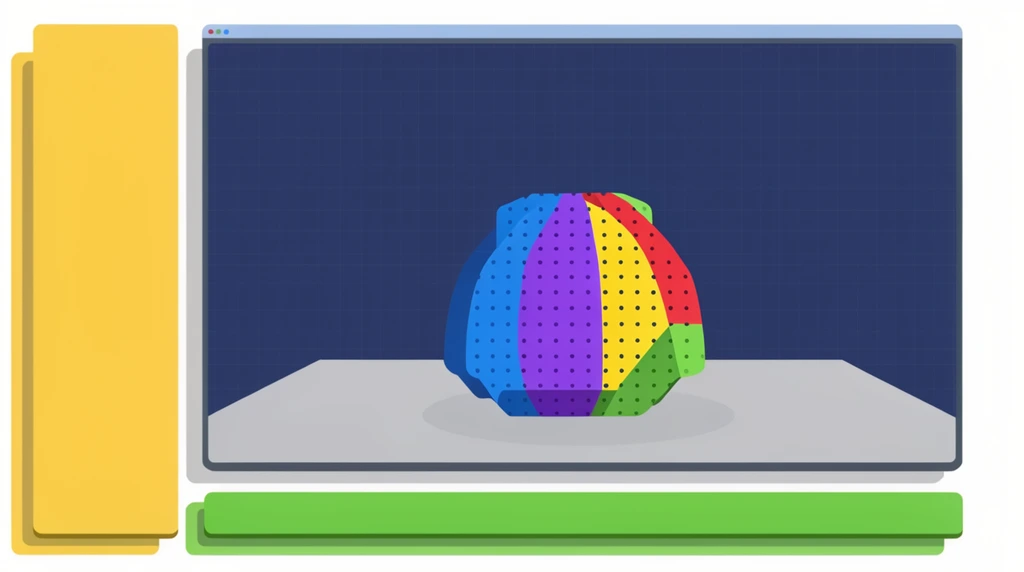
Meet Blender — and Learning by Building a Real Project
Eon's 3D tool is Blender, a free program pros use for animation, modeling, and 3D printing. Instead of boring drills, the plan is to learn it by building something Eon actually wants: a watch.
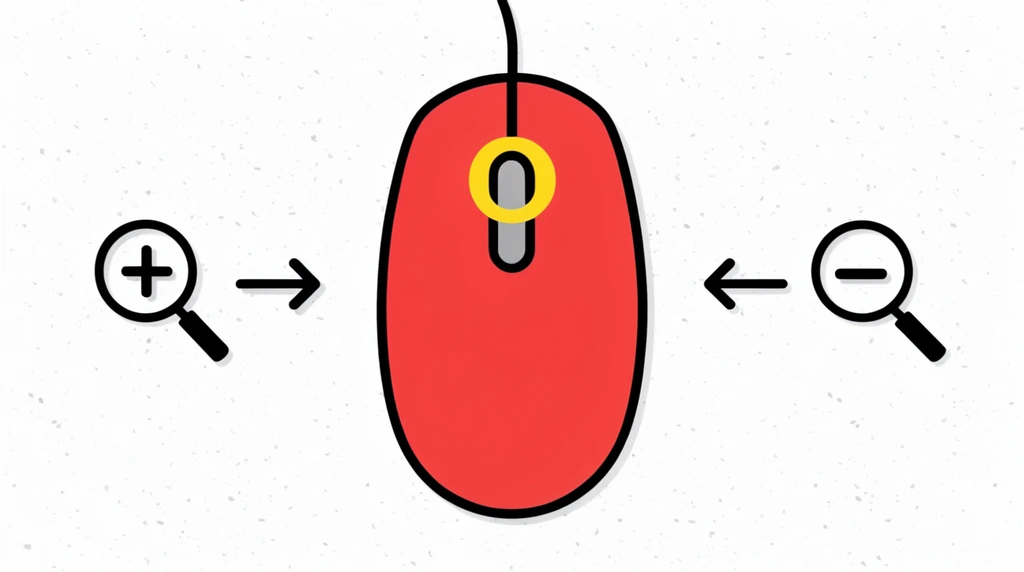
The Scroll Wheel: Two Tricks Hiding in the Middle of Your Mouse
The little wheel between the mouse buttons does two jobs in 3D: roll it to zoom, and press-and-drag it to spin your view to a new angle. Eon learns both — and that zoom can feel backwards.
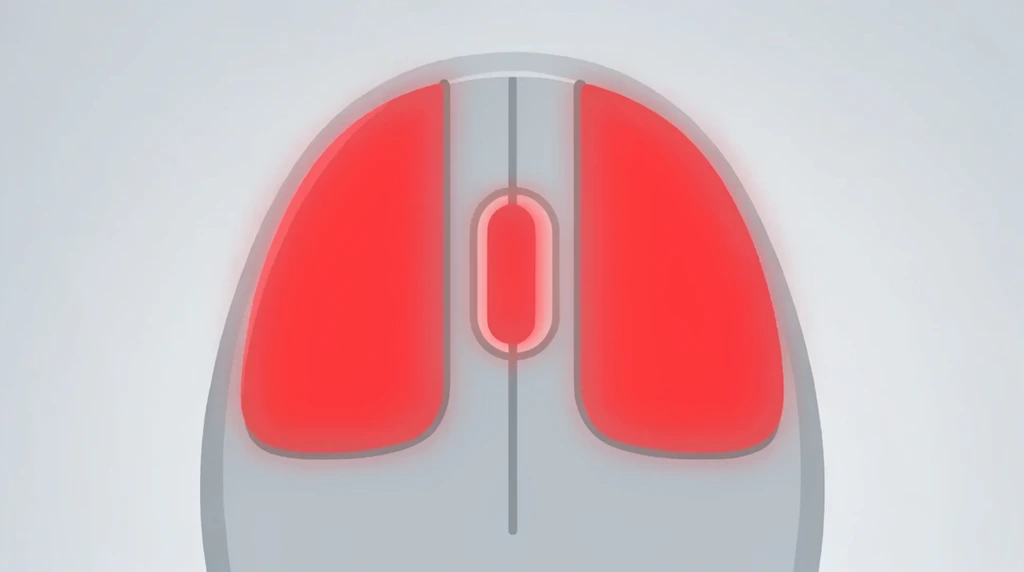
Clicking to Select: Eon's Left-Handed Mouse
Eon reviews the cursor, then learns to click a mouse button to select a cube — and click again to deselect it. Plus a surprise: his mouse is set up for a left-handed person, so the 'big button' is on the right.
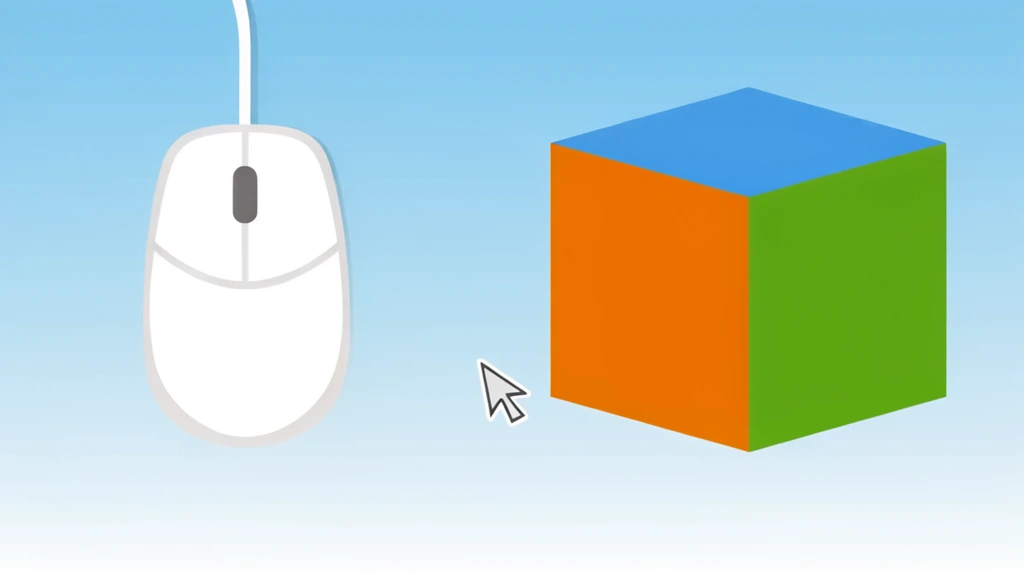
3D Studio Begins: The Mouse and the Cursor
Before building anything in 3D, Eon meets the most basic tool of all — the mouse — and the tiny arrow it moves on screen: the cursor.
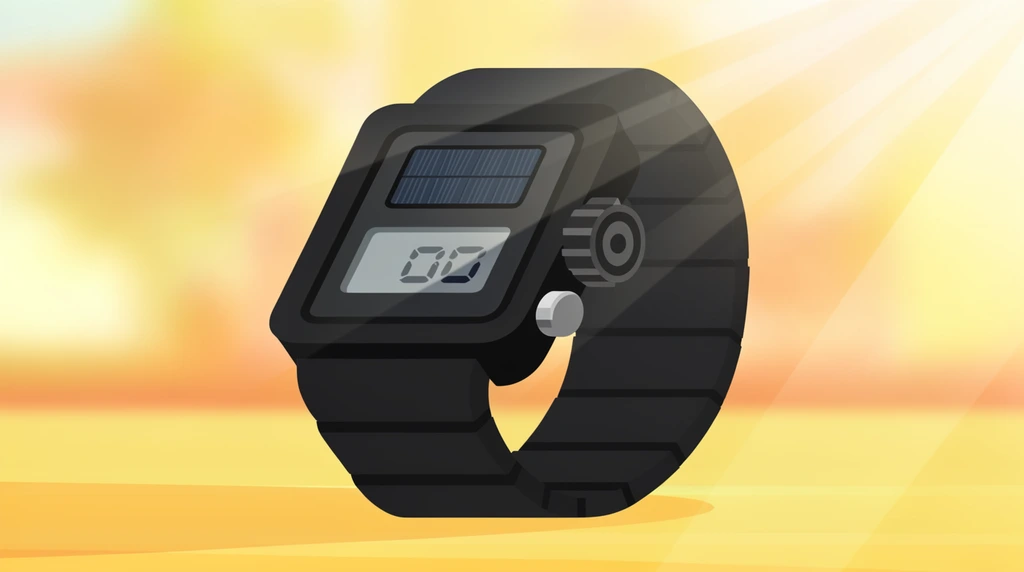
Eon's Tough Solar Watch: A Watch That Drinks Light
Eon shows off his CASIO Tough Solar watch — counts the hours to read 12 o'clock, flips on the backlight, and explains why 'tough' and 'solar' matter. A quick real-world look at solar power and telling time.
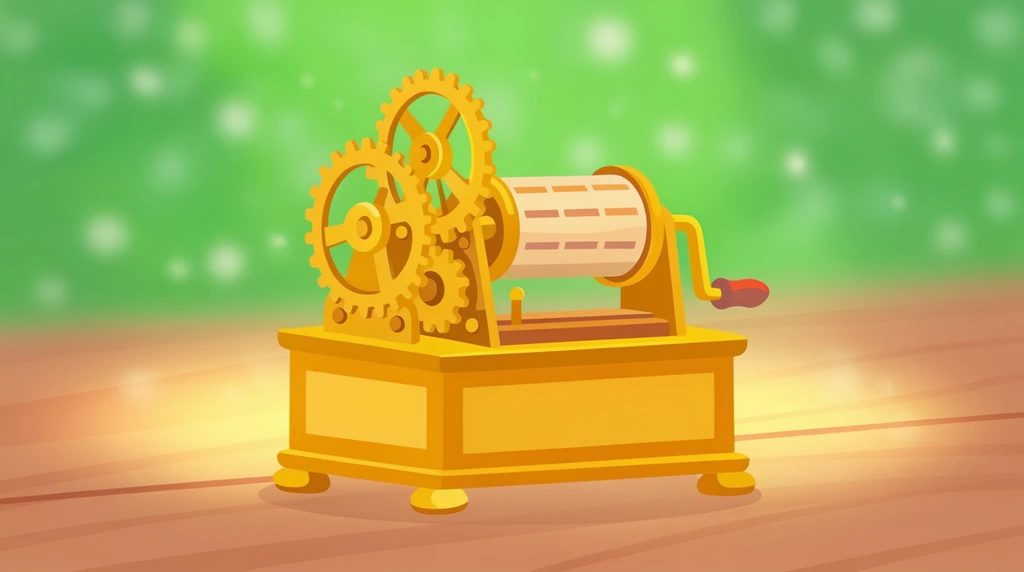
Show and Tell: A Music Box Mechanism, a Magnet, and Tiny Versions of Big Things
Eon gives a quick show-and-tell of small objects — a wind-up music box mechanism with a frog, a magnet you can spin, a mini piano next to a big one, and a watch he's had for years. A fun look at how little machines work and how size comparisons help us see.

Language Lab: American English vs. British English
Eon gets curious about British English and plays teacher — American first, then British — to show that the same language can sound and spell a little differently depending on where you are.

Eon's First Christmas Gift: Letters, Batteries, and a Snow Globe
Eon thought Santa forgot him — then the tree lit up, a heavy box appeared with a letter inside, and a wish for a snow globe came true. A warm story about wonder, writing back, and how a box's size doesn't tell you what's inside.
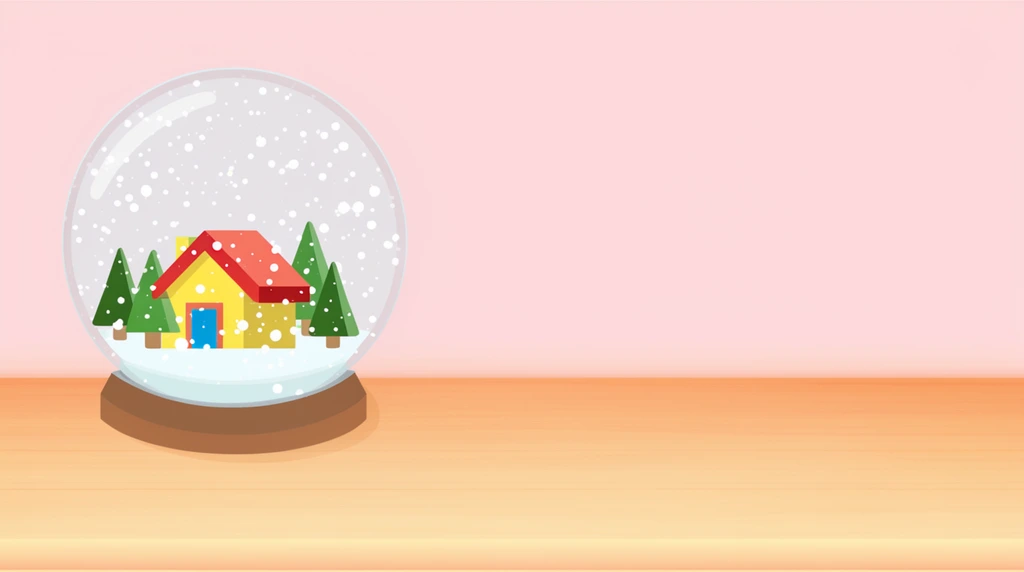
Eon's Snow Globe: Why the Snow Floats and Slowly Falls
Eon shows off a new snow globe — shake it and the snow drifts down, then a light glows red, green, and blue. Here's how a snow globe really works.

Language Lab: Eon's First Japanese Words (and One in Chinese)
A starter pack of everyday words Eon learns to say out loud — hello, bye-bye, nose, and watch in Japanese, plus 'watch' in Chinese — each with its kana or characters, how to say it, and a tiny memory tip. Includes the famous Detective Conan line 真実はいつも一つ.
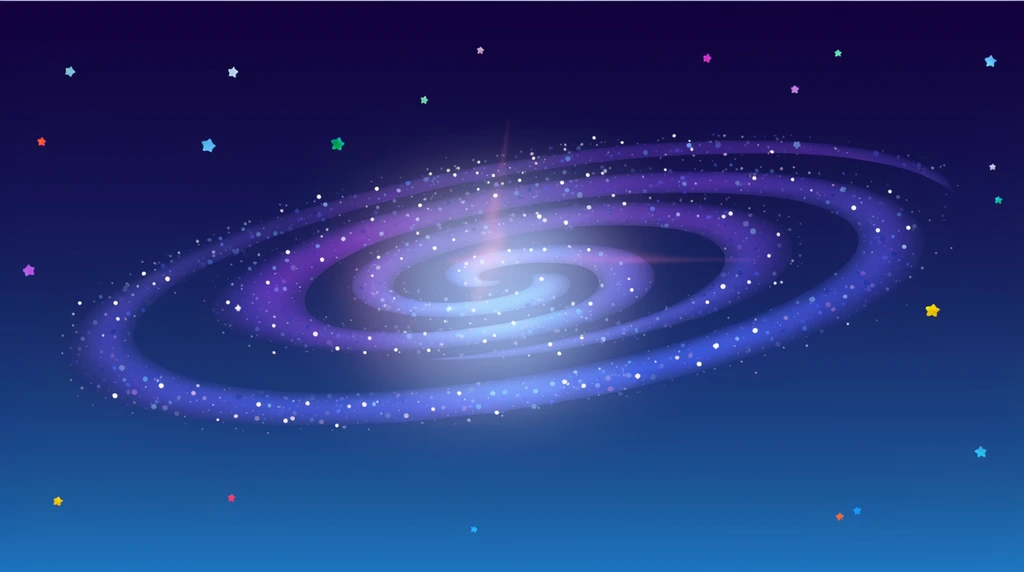
Eon's Milky Way Vlog: The Giant Star-City We Live In
Eon records a little vlog about the Milky Way, pointing out the faint strip of light across the sky — here's what our home galaxy really is.
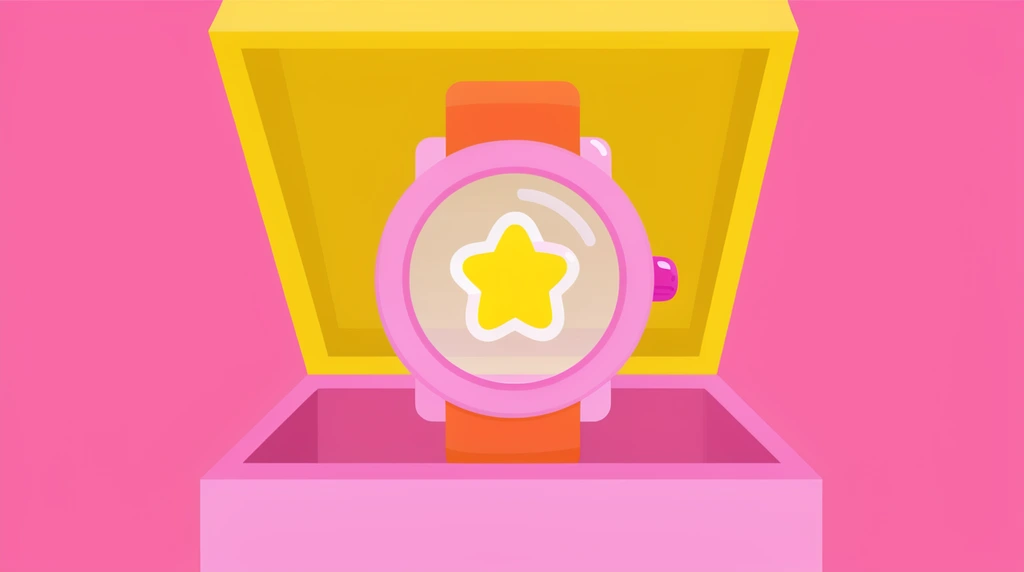
What Is "Merch"? Eon Shows Off His Own Toy Watch
Eon holds up a cute toy watch with a little fin on top and calls it his "merch." That one word opens up a real idea: merch is branded stuff a creator makes so fans can support the channel.
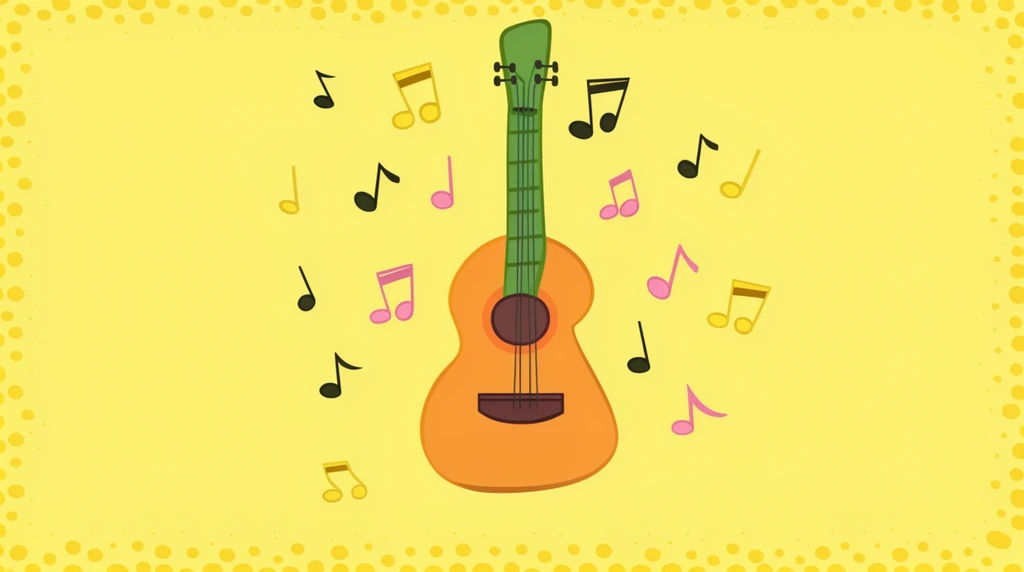
Eon's First Guitar Tries: Strings, Strums, and the Courage to Begin
Two short clips of Eon picking up a guitar for the very first time — counting in, strumming the strings, and finding the courage to try a brand-new instrument.

Eon Learns the Drums: From a First Beat to a First Fill
Follow Eon from age two to three as he sits at the drum kit, keeps a steady beat, learns his very first drum pattern, and adds a fill at the end.